Bunion Surgery for Lasting Correction
Advanced surgical options that address the root cause of bunions and help you get back to comfortable movement.
What You Need To Know About Bunions
Understanding what a bunion really is helps you make informed decisions about treatment.
Understanding Bunions and Surgical Care
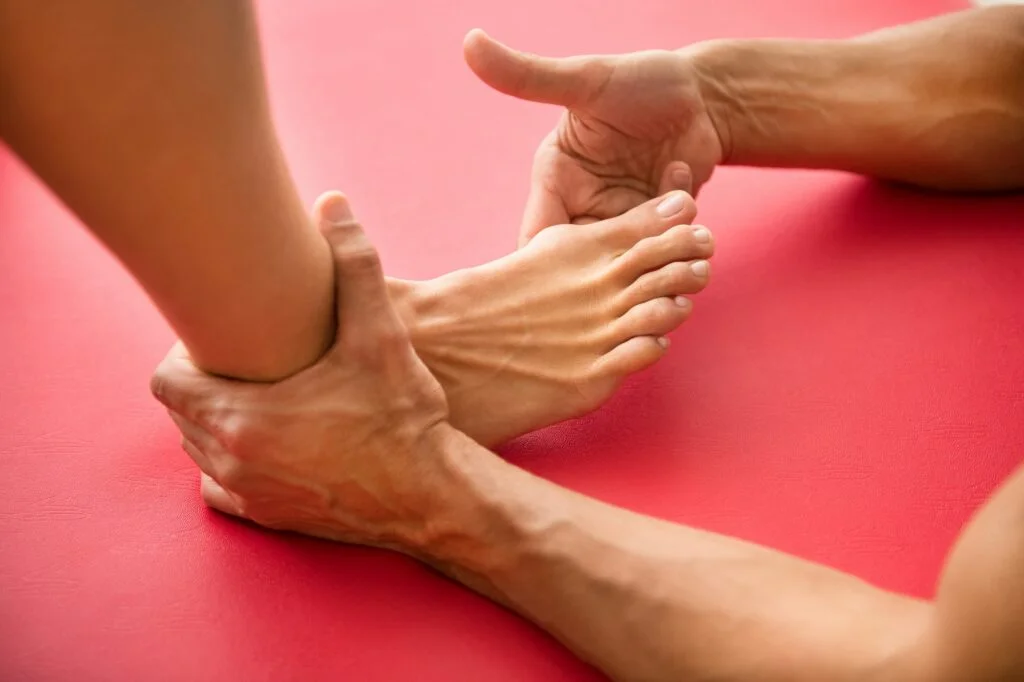
For most, a bunion is defined as a prominence or bump near the big toe joint. When seen with the naked eye, however, we don’t get the whole story. The bump that develops over time is the result of the slow drifting of a bone in the foot that in essence causes a dislocation of the big toe joint. The bump is, in fact, normal bone (not extra) in most cases which has moved out of position.
Your big toe is the hardest-working toe. Every time your foot pushes off the ground, this toe supports most of your body’s weight. Any problem with it can make walking or even standing painful. A bunion also changes the shape of your foot, making it harder to find shoes that fit.
Symptoms may include a callus or bump at the base of the big toe, pain, swelling or redness, callus development under the ball of the foot, developing hammertoes, corns where the first and second toes overlap, and restricted big toe motion.
The cause of a bunion is biomechanical. Instability of a joint along the arch often results in the slow drifting of one of the bones in the big toe joint. Bunions run in families because of an inherited foot type with poor mechanics. Despite what you may read online, bunions are not caused by shoes, though certain shoes can irritate them.
Having a bunion does not in and of itself require surgery. If the bunion is bothersome on a regular basis and limits your activities and shoes, a consultation with a podiatrist is the right next step to review your options.
Surgical Options and Recovery
Correcting a bunion has evolved over decades. In the past, the bump of bone was simply removed to reduce the painful prominence. This could offer short-term relief, but the instability at the root cause was not addressed. Later, osteotomy procedures shifted the bone into better alignment and secured it with screws, pins, or plates. This improved joint alignment, though correction was often limited to one or two dimensions.
3D bunion correction repositions the bone to restore more normal anatomy and motion in the great toe joint. Once the bone is corrected, the previously unstable joint is secured with plates, screws, and pins to minimize recurrence. Lapiplasty and Lapifuse are two systems used today for this type of correction.
Scarfplasty is another commonly performed procedure for moderate to severe bunions. It allows correction in the multiple planes where a bunion exists. Because of the stability it provides, weight bearing is tolerated immediately, and the procedure can be performed on both feet during the same appointment.
OSSIOfiber offers a metal-free option for bunion correction. Built with natural mineral fibers and polymer, the implant is gradually replaced by your own bone as you heal. This avoids the ongoing discomfort and potential removal surgery that can come with permanent metal implants.
Recovery varies by procedure and patient, but many return to weight bearing within one to three weeks. Your surgeon will help you choose the approach that best fits your anatomy and goals.
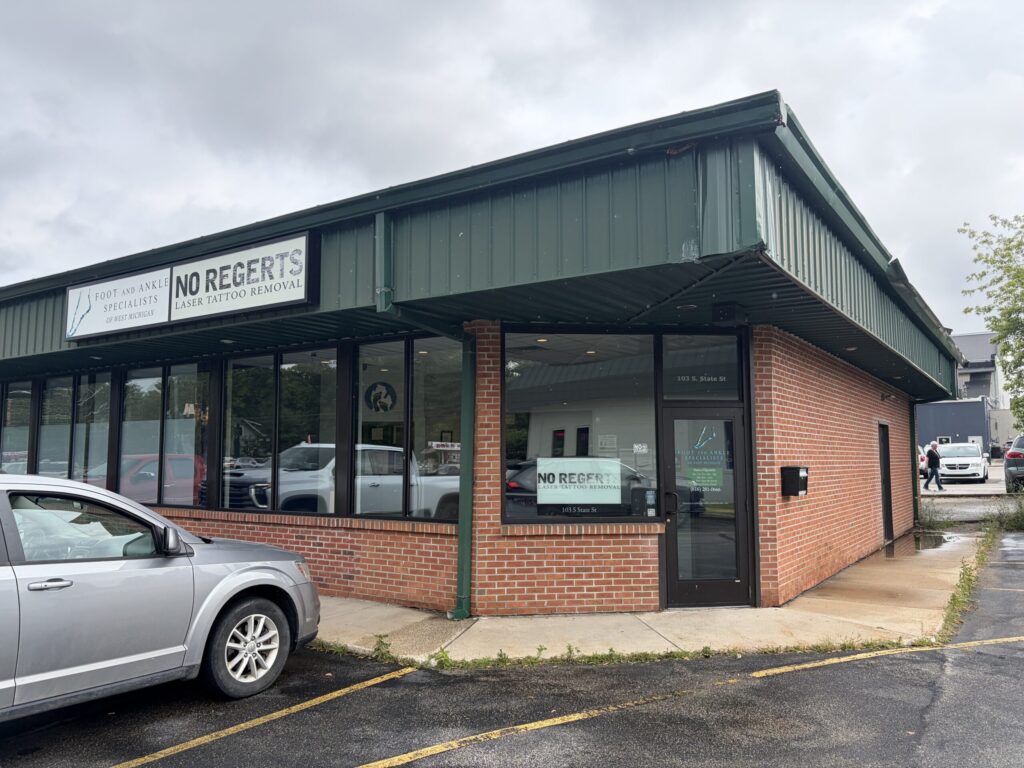
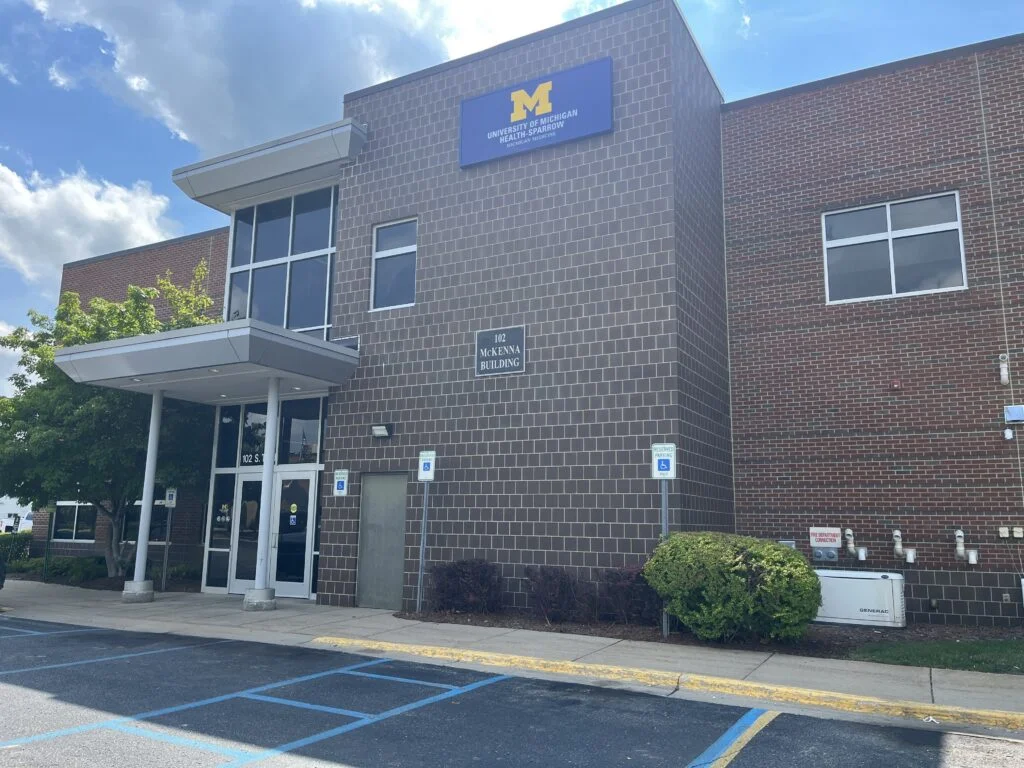
Bunion Surgery Locations Near You
Find a convenient location for expert bunion evaluation and surgical care.



Ready to take the pressure off your bunion? Let’s talk about your options.
We’re here to help you understand your choices and feel confident in your plan.