Wounds, Ulcers & Limb Preservation
A wound on the foot that hasn’t closed in a couple of weeks is worth a real look, not another round of wait-and-see. We step in early to protect your foot and keep a small problem from becoming a serious one.
What You Need To Know
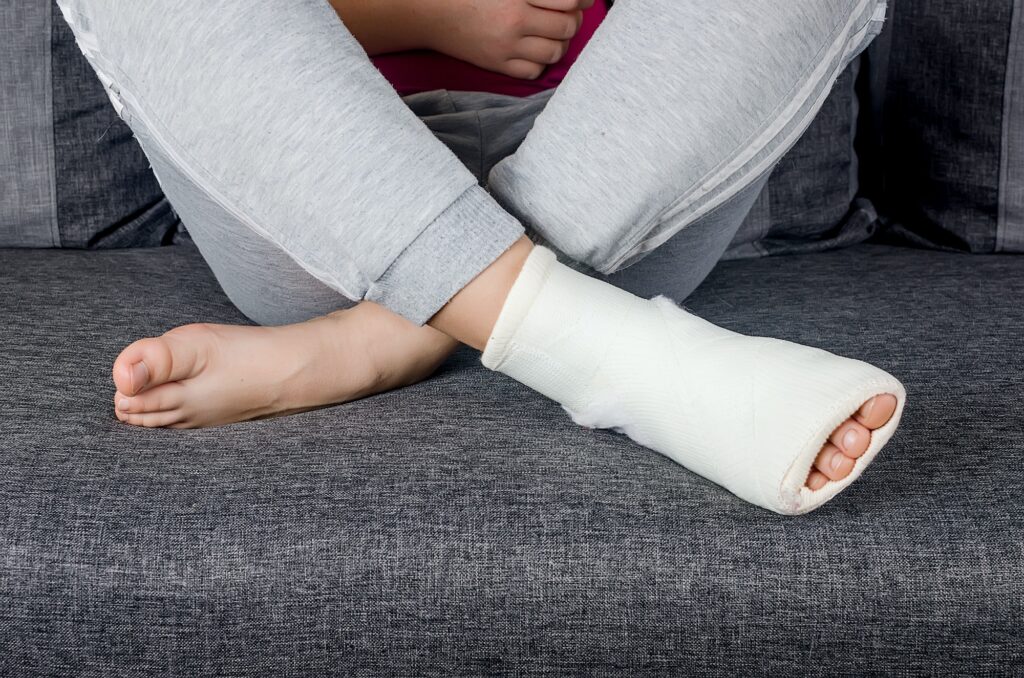
A wound that stalls in healing almost always has an underlying cause that needs to be identified and treated directly.
When a Foot Wound Signals a Bigger Problem
A cut or scrape on the foot should be closing up within a week or two. When it isn’t, something is interfering with the healing process, and that’s rarely something a fresh bandage can fix on its own. Patients across our West Michigan communities come to us with a range of underlying causes behind a wound that just won’t cooperate:
– Diabetic ulcers that develop on pressure points, often with little pain to warn you – Ulcers tied to poor circulation, typically around the ankle or lower leg – Surgical sites or old injuries that have reopened – Pressure sores from a cast, brace, or extended time off your feet – Any foot wound still open after two weeks with no visible improvement
For patients managing diabetes, nerve damage can dull sensation enough that a wound goes unnoticed until it’s already infected. We build daily self-check habits into every visit so problems get caught while they’re still minor.
For older adults and anyone with limited mobility, thinner skin and slower circulation mean a wound that looks manageable today can look very different in a week. Getting it evaluated sooner rather than later matters here more than almost anywhere else.
Through Michigan winters, prolonged cold exposure, ill-fitting boots, and reduced circulation can all slow healing further, which is part of why we watch these wounds more closely during colder months.
Same-day appointments are typically available for wounds showing spreading redness, drainage, fever, or rapid change.
What Treatment for Wounds and Ulcers Looks Like
We start conservative on every wound. Whether it stays that way depends on how it responds in the first couple of weeks.
Week one — getting diagnosed: – Assessing depth, drainage, and signs of infection – Checking circulation and sensation in the surrounding tissue – Debridement if there’s dead or infected tissue to clear
If it’s healing as expected: – Dressings adjusted to drainage level and tissue type – Offloading boots or custom padding to relieve pressure – Antibiotics if infection shows up along the way
If it’s not: – Labs or imaging to rule out bone involvement – A vascular referral if circulation is the limiting factor – Surgical debridement or repair when conservative care has stalled
Either way, once it closes: – Custom orthotics or footwear to keep the area from breaking down again – Routine diabetic foot exams to catch the next spot early – Clear guidance for patients and caregivers on what to monitor at home
Most wounds respond in that first window. The ones that don’t are exactly why we check in early instead of waiting to see.
Related Services
Where We Treat Wounds and Ulcers
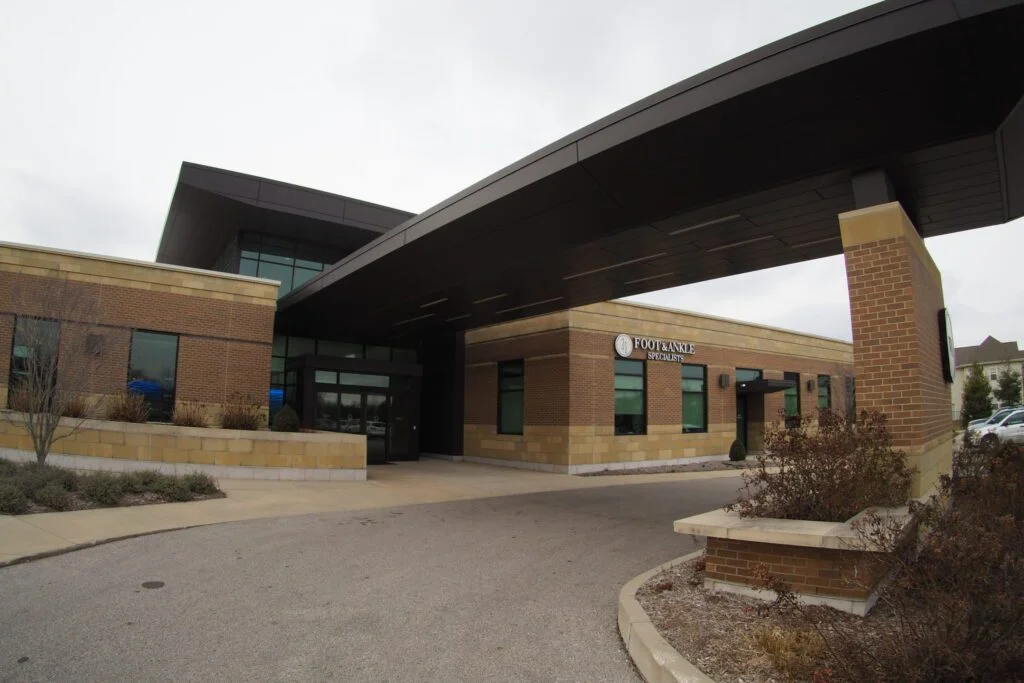
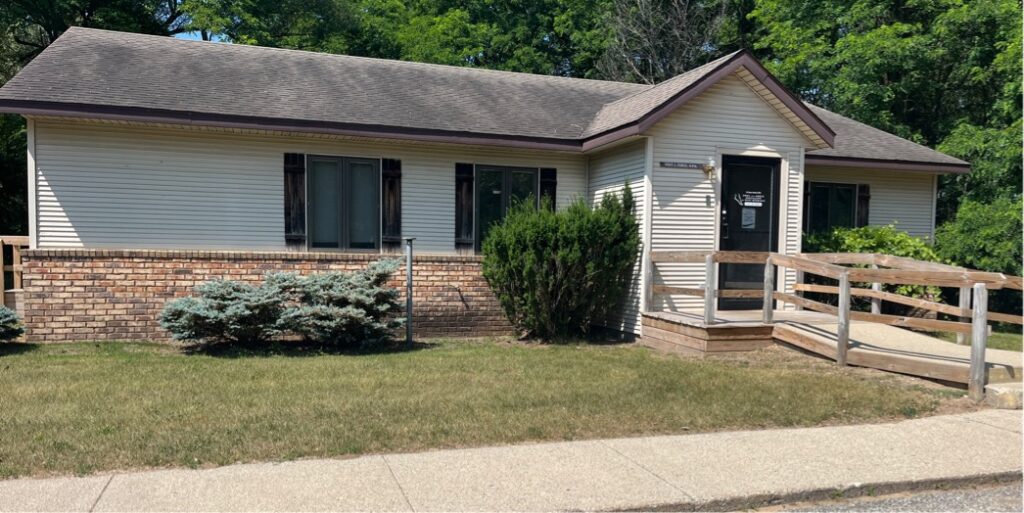
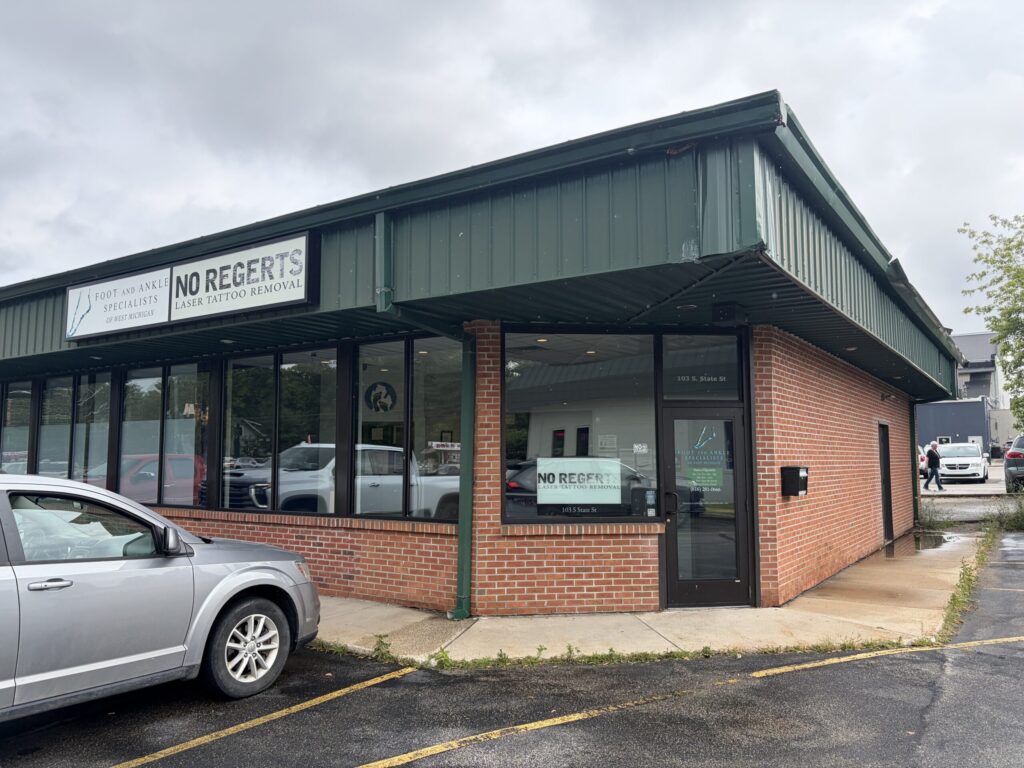
Find a Foot and Ankle Specialists location near you across West Michigan for prompt wound evaluation.
Don’t Let a Wound Run Its Own Course
The earlier a non-healing wound gets evaluated, the simpler it is to treat.