Chronic Pain and Conditions Care
Lasting relief for ongoing foot and ankle pain, from metatarsalgia and neuromas to ganglions and big toe arthritis.

What You Need To Know
A look at the chronic foot conditions we see most often and how we treat them.
Understanding Chronic Foot and Ankle Pain
Chronic foot pain has many faces. Pain in the ball of the foot, just behind the toes, is likely metatarsalgia, an inflammatory condition that causes pain in the mid-foot metatarsal bones. It is an overuse injury that can be caused by activities like jumping and running. Shoes that are too tight or too loose can also bring it on, as can excess weight or foot deformities.
A neuroma is a nerve tissue growth often located between the third and fourth toes. Although benign, a neuroma can be painful with a burning sensation or numbness. Commonly called a Morton’s neuroma, it begins when the outer coating of a nerve thickens from irritation as two bones repeatedly rub together. It might feel like you’re stepping on a lamp cord.
Hallux Rigidus, or big toe arthritis, happens when the cartilage in the big toe joint wears away, leading to pain and limited range of motion. If you have pain at the base of your big toe, pain with motion, a bump, or redness and swelling, you may have arthritis in the joint.
A ganglion is a fluid-filled swelling of the lining of a joint or tendon, most often on the ankle or top of the foot. Ganglions tend to change in size and grow slowly, and pressure on nearby nerves can cause tingling, numbness, or pain.
If home care isn’t easing your symptoms, come see us for a full evaluation so we can pinpoint the cause and build a treatment plan that fits you.
Treatment, Prevention, and Recovery
Most chronic foot conditions respond well to conservative care when treated early. For metatarsalgia, changing to shoes with arch supports and wide toe boxes can help relieve symptoms, and a metatarsal pad can help return the arch and toes to their normal anatomical positions. Rarely, we may discuss surgery to realign the metatarsal bones.
For neuromas, we work to relieve the pressure from the area. Custom-fitted orthotics adjust the structural support of your foot to prevent irritation to the nerve. Cortisone injections or other medications can relieve pain and swelling, and ultrasound therapy may help reduce swelling. If nonsurgical care does not help, outpatient surgery can remove the enlarged nerve.
Hallux Rigidus has many treatment options, from shoe modifications, to steroid injections, to surgical options including Cartiva, which our physicians are trained in. At your visit, your doctor will take X-rays, discuss your symptoms, and come up with a plan.
Ganglions are often difficult to treat without surgery, but pads placed around the ganglion can ease pressure and friction, and fluid removal may relieve symptoms. Icing for 15 to 20 minutes may temporarily relieve inflammation and pain. If a ganglion is causing ongoing or severe pain, surgical removal may be recommended.
Supportive, roomy shoes and orthotics can address many biomechanical factors behind chronic conditions, helping most patients return to normal activities and lasting comfort.
Related Services
Find Chronic Pain Care Near You
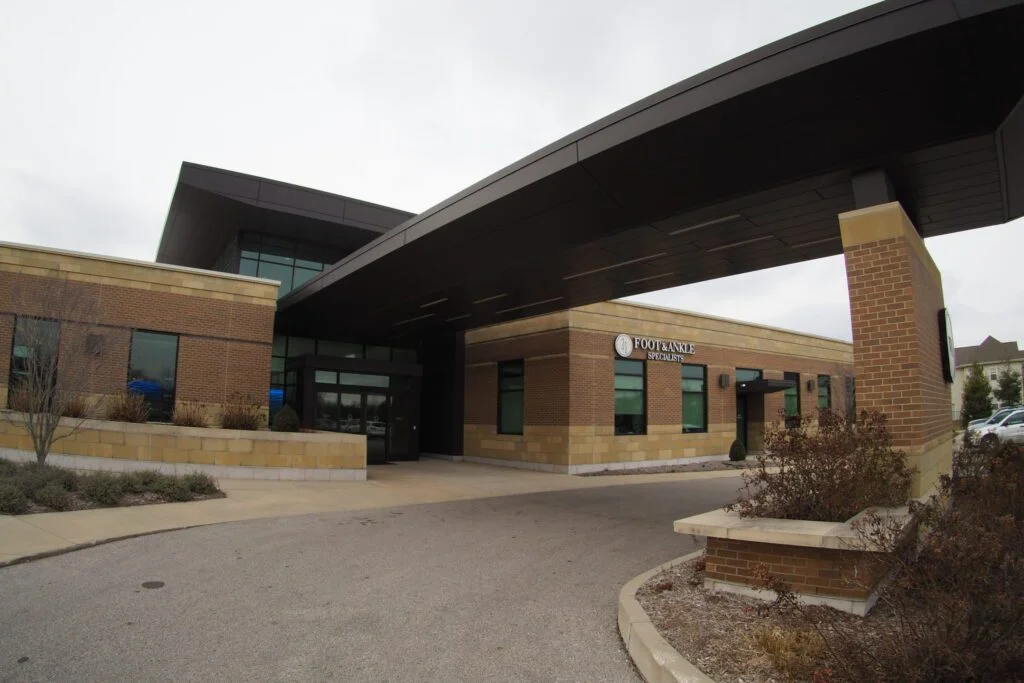
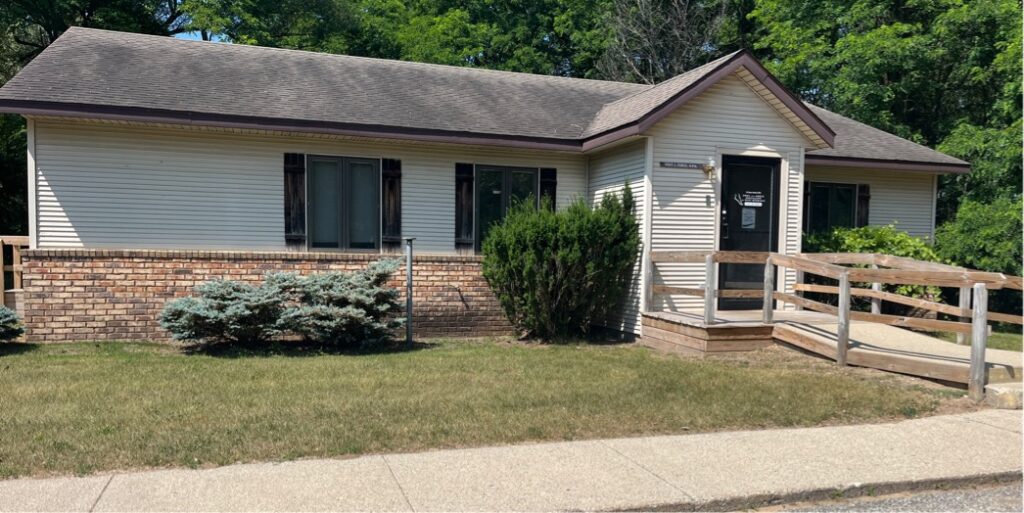
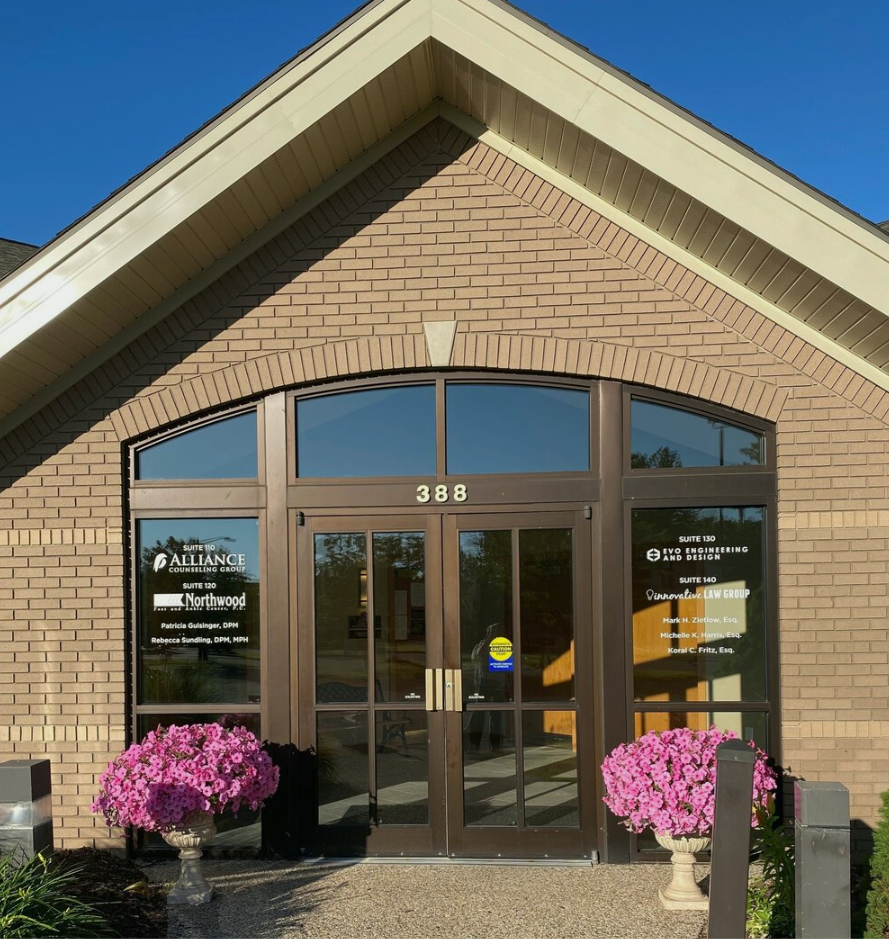
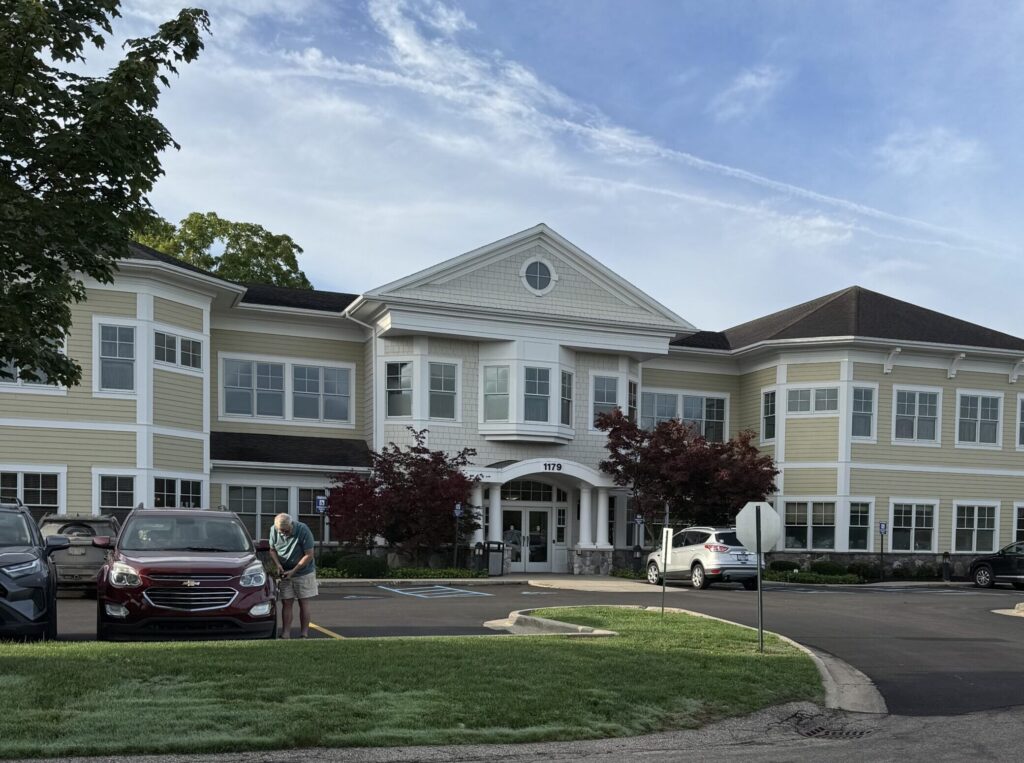
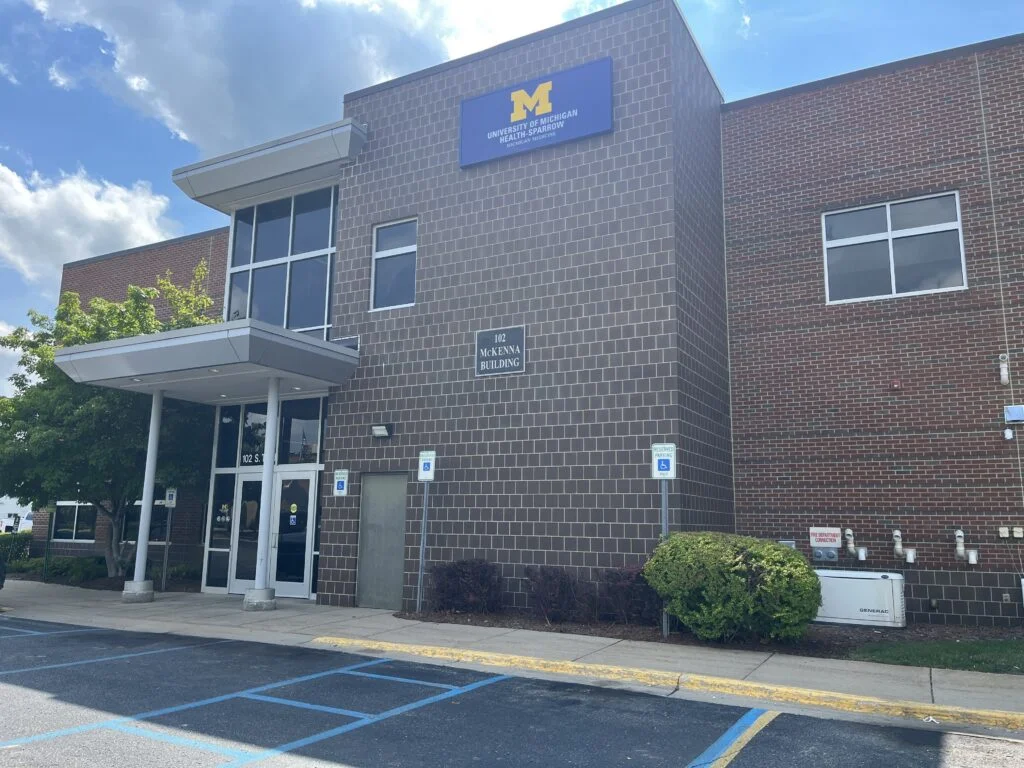
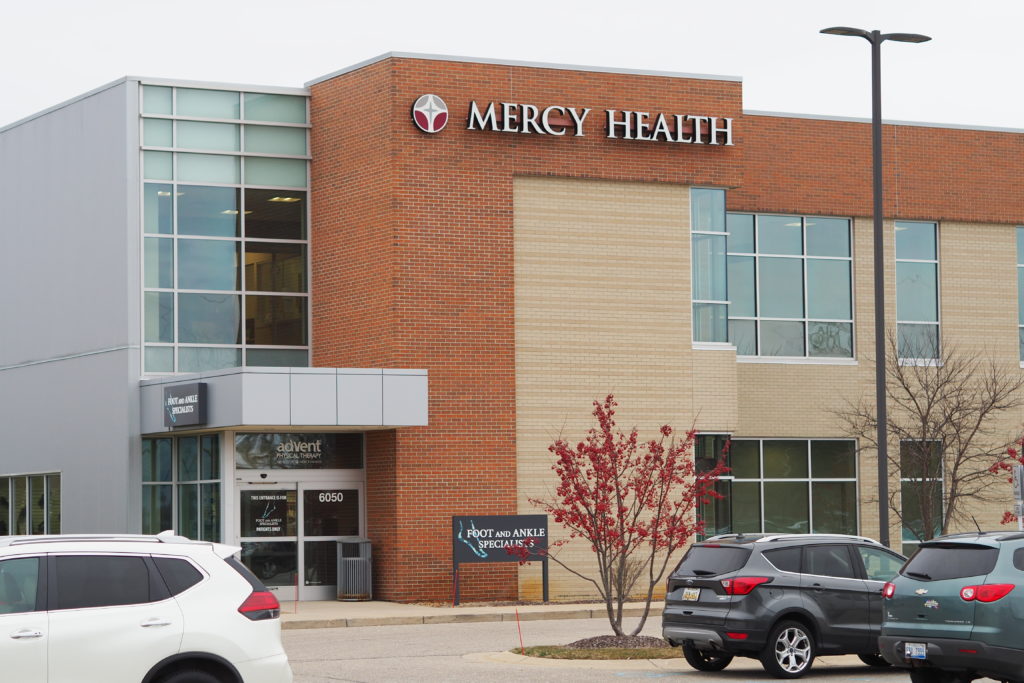
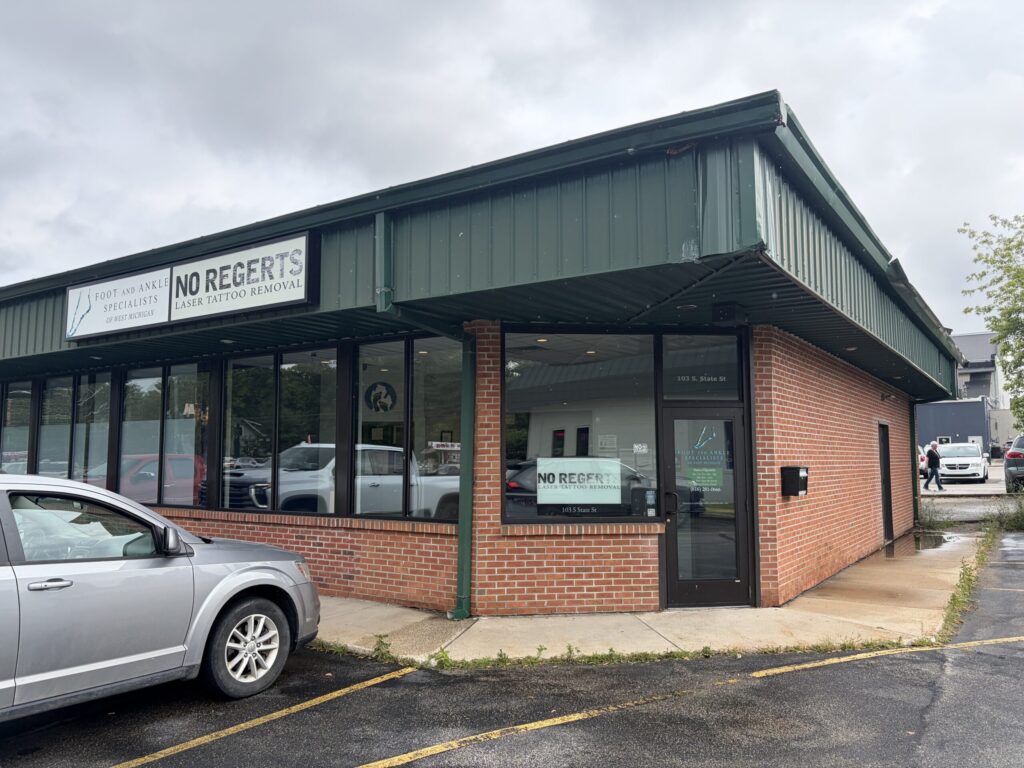
Visit any of our convenient locations for expert care of chronic foot and ankle conditions.
Don’t let chronic foot pain hold you back any longer, let’s get you feeling better.
We’ll find the cause of your pain and build a plan that fits your life.