High Arches and Chronic Arch Pain Care
Relief for painful high arches through careful diagnosis, supportive footwear guidance, and personalized treatment plans.
Understanding High Arches
Learn what causes arch pain, how it feels, and how our team approaches your care.
High Arches and Ongoing Foot Pain
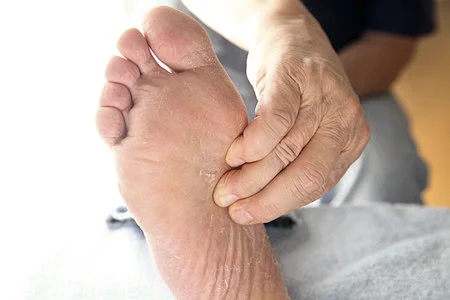
The foot’s arch is formed by the tarsal and metatarsal bones and is strengthened by tendons and ligaments. Its job is to help the foot support and distribute the body’s weight. When the arch is unusually high, that weight is not distributed evenly, which can place extra stress on the midfoot and lead to chronic pain.
Arch pain is usually caused by inflammation of the soft tissues in the midfoot called the plantar fascia. The plantar fascia is a thick tissue on the bottom of the foot that connects the toes to the heel bone. Several foot problems can cause arch pain, including plantar fasciitis, stress fractures, sprains, and tendonitis.
Plantar fasciitis often causes arch pain first thing in the morning when rising from bed as well as after long periods of standing. Stress fractures are tiny fractures in the bone caused by repetitive overuse and cause pain that worsens with activity. A ligament sprain causes pain and swelling immediately after landing awkwardly or twisting the foot. Inflammation of the tendons in the foot may also cause arch pain.
Because there are many sources of arch pain, a careful diagnosis by a foot doctor is the best way to identify the problem. We will examine your foot carefully and make imaging tests such as X-rays, CT scans, and MRIs if necessary. If arch pain is limiting your daily activities, schedule a visit so we can pinpoint the cause and start you on the right treatment.
Treatment and Prevention Strategies
Our goals in treating arch pain are to relieve swelling and inflammation and to ease the pressure from the irritated area. Resting the foot helps reduce inflammation, and crutches, a boot, or activity modifications can support that rest. Applying ice can ease pain and inflammation, and ice massage such as rolling the foot over a frozen bottle of water can be effective. Anti-inflammatory medications may also help, but check with your doctor first before starting a new medicine. Changing footwear matters too: look for shoes with extra cushioning and more arch support.
For plantar fasciitis, pain can be relieved with stretching exercises and anti-inflammatory medication. A night splint that keeps the tissue stretched can be helpful, as can custom-fitted orthotics to redistribute pressure. For a stress fracture, rest is important, and a walking boot or crutches can take the pressure off the area. Sprains heal with rest and immobilization of the foot. Tendonitis responds well to rest and icing the area to ease pain and swelling.
Prevention plays an important role in long-term comfort. You can help prevent arch pain by wearing proper-fitting shoes with good arch support. Avoid unsupportive shoes and sandals like flip-flops. Regular stretching can help keep foot and calf muscles flexible and strong. If you stand for long periods at home or work, consider using an anti-fatigue mat, such as at the kitchen sink.
With the right combination of supportive footwear, targeted treatment, and everyday habits, most patients see meaningful improvement in their arch pain over time.
Find Care for High Arches Near You
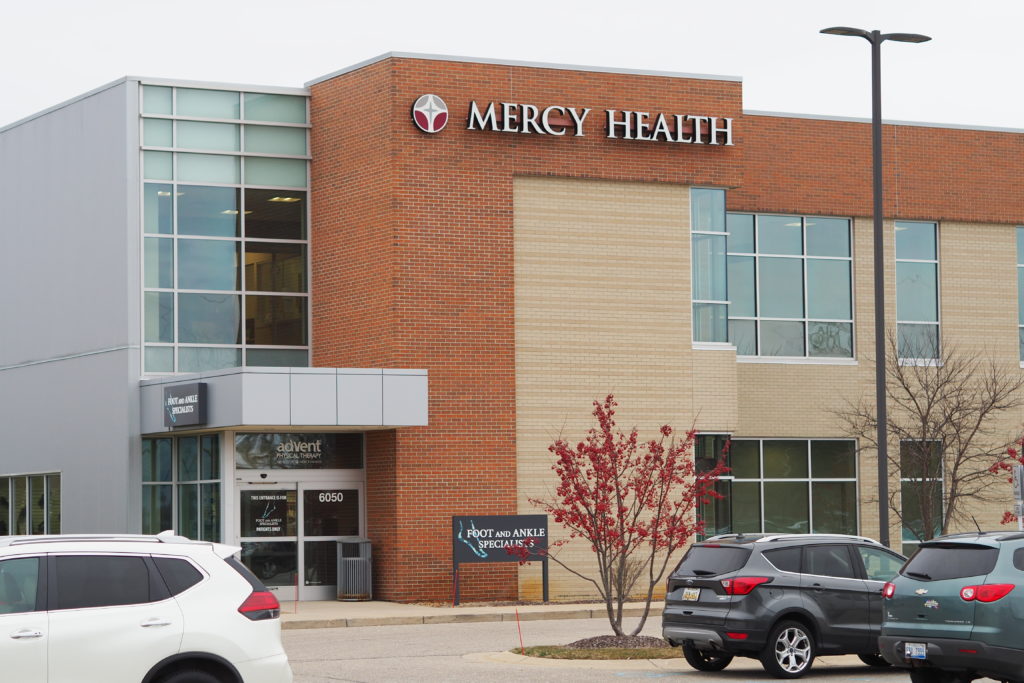
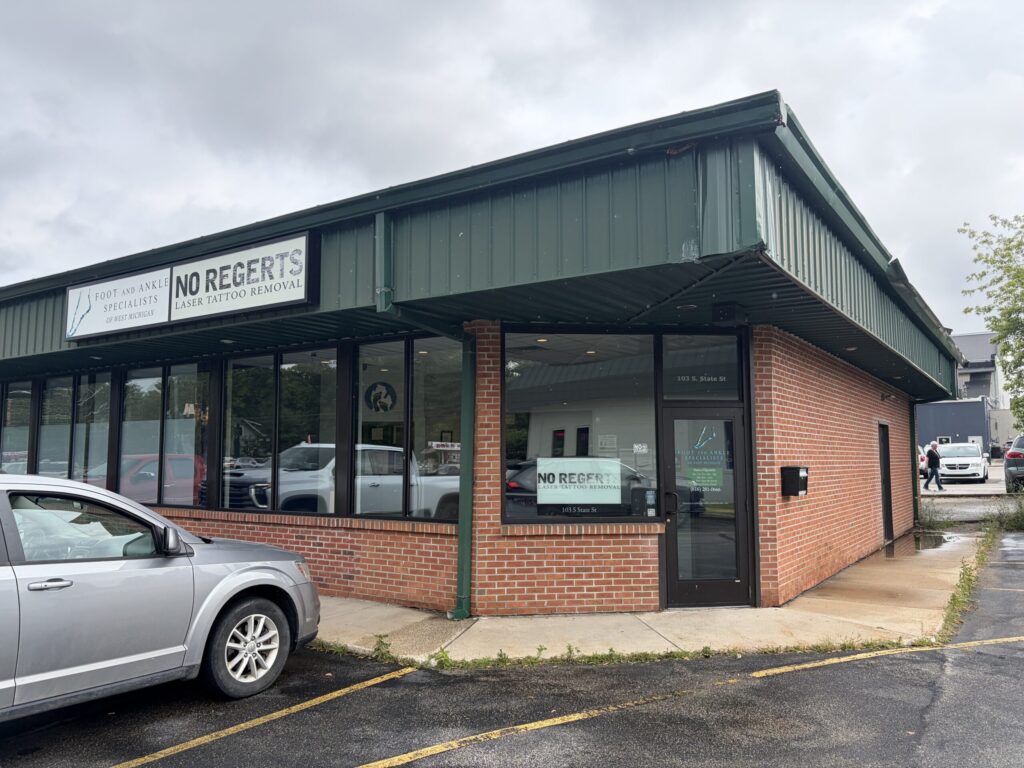
Our offices offer convenient care for high arches and chronic foot pain close to home.



Don’t let arch pain slow you down, let’s get you back on your feet.
We’ll help you find the cause and build a plan that fits your life.