Advanced Treatments and Procedures
Modern diagnostic tools, laser therapy, and minimally invasive procedures to help you get back on your feet.
What You Need To Know
A closer look at the advanced options we use to diagnose and treat foot and ankle conditions.
Advanced Care for Foot and Ankle Conditions
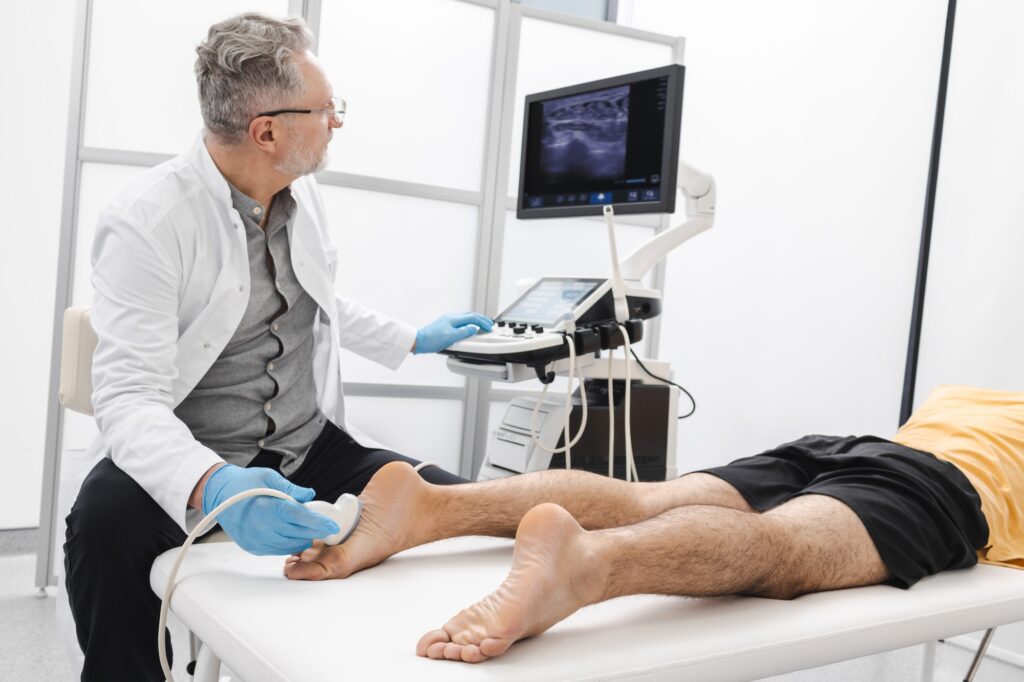
An ultrasound is a diagnosis method that uses a special probe to take an image of your foot in order to determine your foot condition. The probe emits sound waves into your body tissues, which are returned to the probe and converted to an image used to diagnose and guide treatment.
Diagnostic ultrasound is a non-invasive imaging technique for soft tissue that is used to diagnose foot disorders. It can create an image of the ligaments in your foot and ankle, plus the Achilles tendon, plantar fascia, posterior tibial tendon, and peroneal tendons.
FX635 Laser is a Low-Level Laser Therapy (LLLT), sometimes referred to as a Cold Laser, that is used to address a variety of conditions, including acute and chronic pain. Patients who undergo this treatment can expect no pain, no drugs, no side effects, and no downtime. LLLT alters cellular functions resulting in pain relief, reducing oxidative stress and increasing the production of ATP.
Subchondral stabilization is a minimally invasive procedure used to treat subchondral bones (found beneath the cartilage) during the healing process. The subchondral bone acts as a shock absorber in weight-bearing joints and can result in stress fractures if weakened. An MRI will identify edema, which can be the cause of microfractures behind your chronic pain. If you are dealing with persistent foot or ankle pain, contact our office to schedule an evaluation and discuss which advanced options may be right for you.
Surgical Options and What to Expect
If conservative or non-invasive treatments do not work, your podiatrist will discuss surgery with you for many foot and ankle problems. Every plan is tailored to the specific condition, your activity level, and your recovery goals.
Common procedures include bunion surgery to relieve pain and reposition the joint, fusions that join two or more bones with screws, plates, or pins to treat arthritis, and hammertoe surgery to realign the toe. Heel spur removal can restore mobility, and a plantar fascia release may be performed at the same time. Metatarsal surgery is commonly performed to redistribute weight-bearing on the ball of the foot.
Toenail surgery may be required if the nail has become damaged, infected, or deformed, and is usually performed in the office under local anesthetic. Neuroma surgery removes the benign enlargement of the nerve to relieve burning, numbness, or tingling. Reconstructive surgery can include bone fusion, joint implantation, bone grafting, tumor excision, soft tissue repair, or tendon repair.
Each foot surgery will require unique after-care. At-home treatment after surgery includes RICE: rest, icing, compression, and elevation. Splints, casts, surgical shoes, and bandages may be necessary, and your podiatrist will assess the degree of weight-bearing that is appropriate. For the best post-surgical outcome, follow all post-operative instructions carefully and keep every follow-up visit so your recovery stays on track.
Related Services
Find Advanced Care Near You
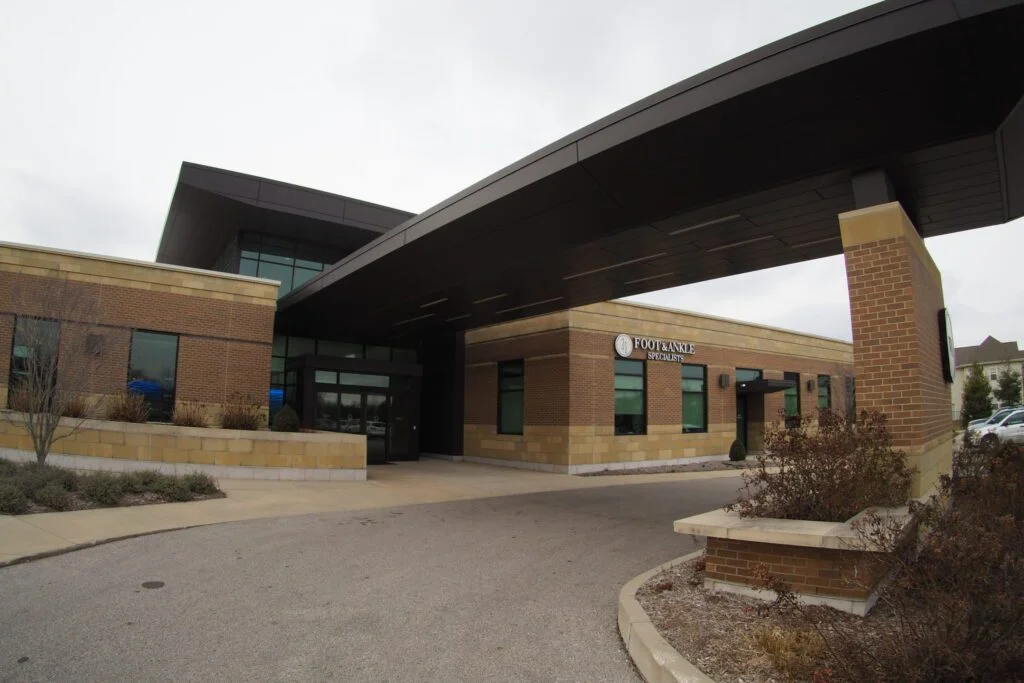
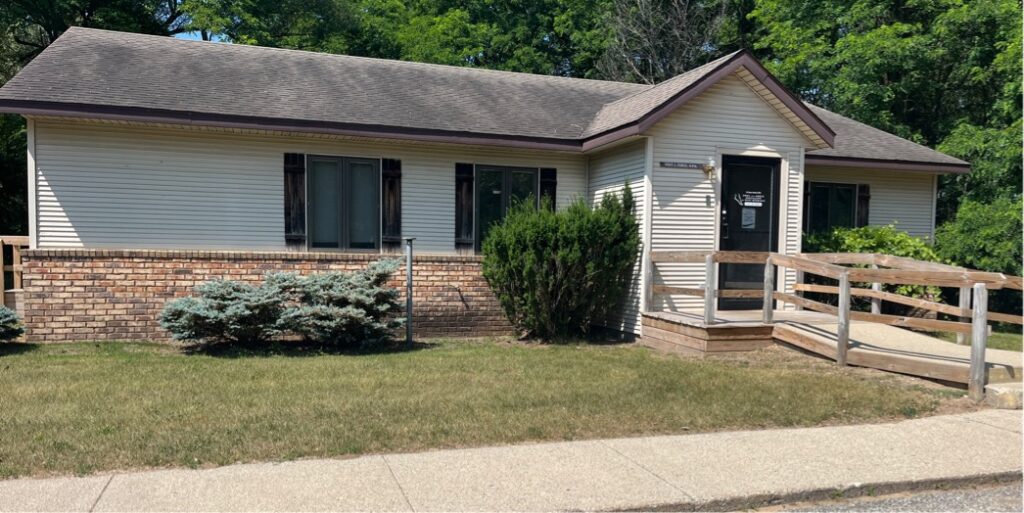
Our offices provide advanced diagnostic and treatment options across convenient locations.

Ready to find relief? Let’s talk about the advanced options that can get you moving again.
Our specialists are here to help you feel better and get back to what you love.