
Hammertoe Treatments for Lasting Relief
From flexible bends to rigid deformities, we help straighten hammertoes so you can move comfortably again.

What You Need To Know
Understanding hammertoes, why they form, and how we treat them.
Understanding Hammertoes and Their Causes
Sometimes a muscle imbalance causes a hammertoe, or a bending of the toe at the first joint. The bent toe looks like an upside-down “V”. The abnormal imbalance of muscles increases the pressure on the toe’s joints and tendons. In general, the term “hammer toes” describes a buckling of any of the toe joints. Joints at the end or middle of the toe, as well as the joint near the ball of the toe, may be affected.
Your little toes help balance and propel your body when you move. As your foot flattens, the little toes bend to grip the ground. Then they straighten, acting like levers to help push your foot so you can walk, run, or dance. But if the front of your foot is wide, you may develop a hammer toe. Hammer toes vary in severity and in the number of joints and toes involved, and they may be flexible or rigid depending on the joint’s ability to move.
Symptoms of a hammertoe include pain at the top of the toe because of shoe pressure, corns on top of the bend, swelling and redness of the joint, restricted motion of the joint, and pain extending to the ball of the foot at the base of the hammertoe. Over time, these toes may hurt and make movement more difficult.
Trauma such as from an injury can cause a hammertoe, as can heredity, arthritis, and wearing shoes that are too tight. Your doctor will examine all your toes, testing whether or not buckled joints can be moved, and check your feet for skin changes. To confirm our diagnosis, we will take an X-ray of the area to show the amount of deformity and whether the joint is affected by arthritis.
Treatment, Surgery, and Recovery
You can relieve the discomfort of a hammertoe by padding the area to reduce friction. Switch to shoes with a deep, wide toe box and avoid high heels. Icing can help with inflammation. But a hammertoe cannot be cured without professional help from a podiatrist. If your symptoms are mild, changing shoes may be all the treatment you need, and using a splint or pad to hold your toes straight also may help.
Conservative treatment options include padding and taping to minimize pain and relieve stress, anti-inflammatory medications and cortisone injections to reduce pain and inflammation, and custom-fitted orthotics to reduce symptoms and prevent worsening of the deformity.
If your symptoms are severe, surgery may be needed. The type of procedure often depends on whether your toe joints are flexible or rigid. To release a buckled joint, the tight tendon is cut and repositioned. For rigid joints, a piece of bone may be removed to help straighten the toe. With arthroplasty, part of the curled joint is cut away. With fusion, the joint cartilage is removed and the toe bones heal as one longer bone.
Almost all hammer-toe surgeries are outpatient procedures. Your foot will be bandaged, and you may need to wear a surgical shoe during healing. With your doctor’s help, even severe hammer toes can usually be treated so you can move more easily.
Find Hammertoe Care Near You
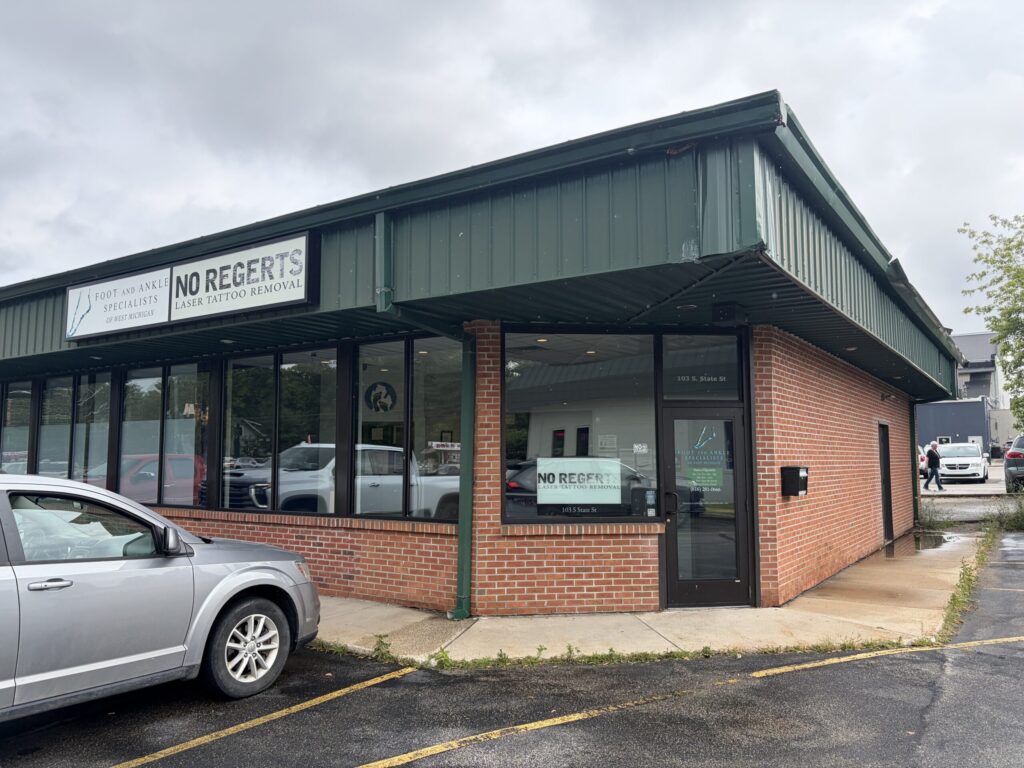
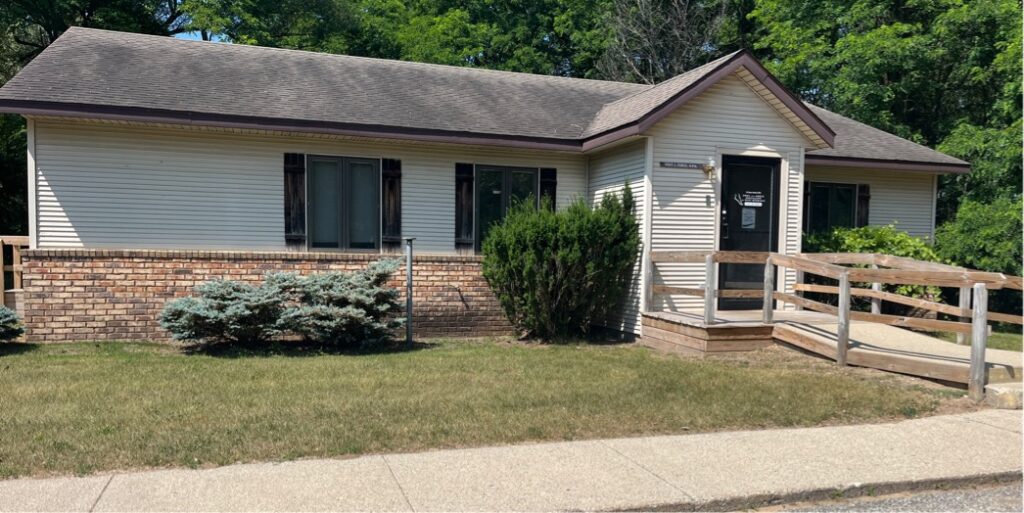
Visit one of our convenient locations for expert hammertoe evaluation and treatment.





You don’t have to live with hammertoe pain, let’s get you moving comfortably again.
Book a visit with our team and we’ll build a treatment plan that fits your feet.