
Total Ankle Replacement Surgery
Restore mobility and reduce joint pain with modern ankle replacement options from our foot and ankle surgeons.
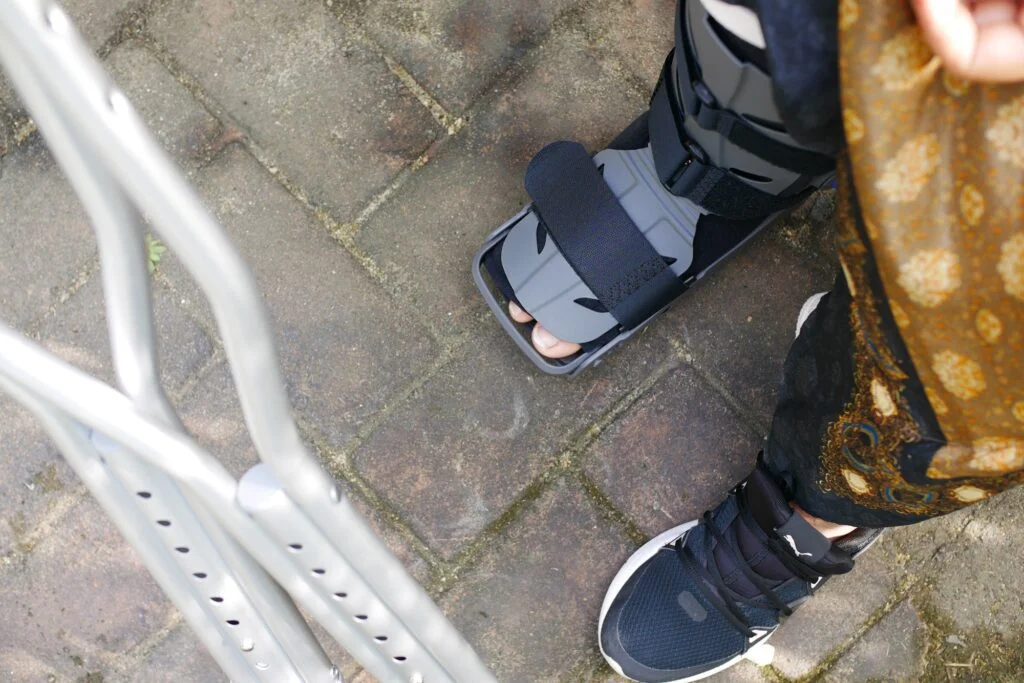
What You Need To Know
Learn how ankle replacement can help restore function to a worn or injured joint.
Understanding Total Ankle Replacement
Sometimes joints are injured or wear out to the point when an artificial joint is needed to restore mobility. The ankle is one of the most common sites where this becomes necessary, and total ankle replacement is one option surgeons consider when arthritis has advanced beyond what conservative care can manage.
Ankles are a prime spot for arthritis. Unlike the hip or knee, ankles are more likely to develop post-traumatic arthritis than osteoarthritis. For many Baby Boomers, the trauma was an ankle fracture or a bad sprain that may have happened in their teens or twenties. Years later, that old injury can lead to stiffness, pain, and joint deterioration that limits daily activity.
Causes and risk factors often trace back to prior injury, but repetitive stress and age-related wear also play a role. Patients typically notice ongoing ankle pain, swelling, reduced range of motion, and difficulty walking on uneven surfaces. When these symptoms interfere with work, exercise, or simply getting through the day, it is time to seek care.
Innovative surgical techniques allow foot and ankle surgeons to transplant small plugs of cartilage from one part of the ankle to another in some patients, slowing joint deterioration. When cartilage procedures are no longer enough, ankle replacement may be the right next step. Schedule an appointment with our award winning foot and ankle surgeons to discuss whether you are a candidate.
How Ankle Replacement Compares
Ankle replacements are not as durable as hip and knee replacements. The ankle is a more challenging joint to replace. It is smaller than the hip or knee and moves in multiple directions, which puts different demands on the implant. Understanding this reality helps patients set realistic expectations before surgery.
Even so, better and promising ankle implants are hitting the market. Newer designs aim to preserve more natural motion, improve fit, and extend the working life of the replacement. For the right candidate, an ankle replacement can relieve arthritis pain while keeping more movement than a fusion allows.
Fusion remains an important alternative, especially for patients with advanced or severe arthritis. Stronger screws and hardware are helping fusions last longer while slashing recovery times. Your surgeon will weigh factors such as your age, activity level, bone quality, and the condition of nearby joints when recommending replacement versus fusion.
The big toe joint is another area where these decisions come up. Patients with advanced arthritis at the big toe may need to have the joint fused or replaced, and a new generation of big toe joint replacements shows promise for people who want to preserve motion.
Recovery from any ankle procedure takes time and commitment to rehabilitation, but most patients see meaningful improvement in pain and function. Our surgeons will guide you through each stage so you know what to expect from consultation through return to activity.
Locations Offering Ankle Replacement
Find a Foot and Ankle Specialists location near you for expert ankle care.



Ready to get back on your feet? Let’s talk about ankle replacement.
Our award winning surgeons are here to help you move with less pain.