
Achilles Tendonitis Care and Treatment
Relief from heel and calf pain caused by an inflamed Achilles tendon, with treatment plans built around your activity level.
What You Need To Know
Understanding Achilles tendonitis, its symptoms, and how we treat it.
Understanding Achilles Tendonitis
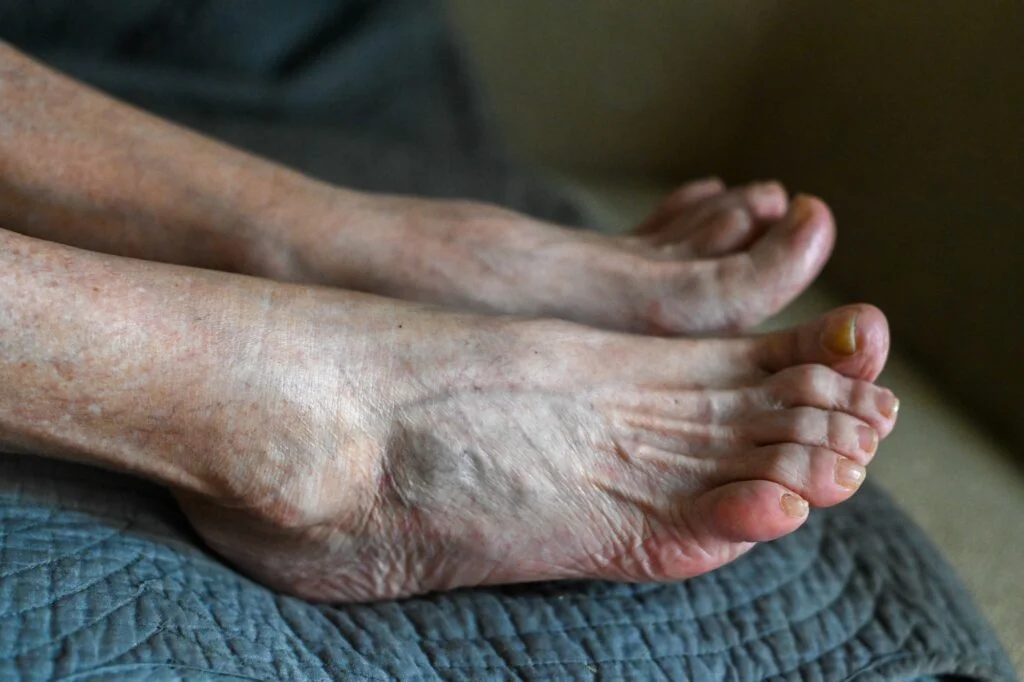
Tendons are tissue cords that connect muscles to bone. The largest in the body is the Achilles tendon, which connects the calf muscle to the heel bone. Tendonitis is when the tendon becomes inflamed, and it is a common cause of foot or ankle pain.
When you use a set of muscles too much, you are likely to strain the tendons that connect those muscles to your bones. At first, pain or swelling may come and go quickly. But if you do too much too soon, your muscles may over-tire again. The strain may cause a tendon’s outer covering to swell or small fibers in a tendon to pull apart. If you keep pushing your muscles, damage to the tendons adds up and tendonitis develops.
Achilles tendonitis causes pain and swelling in the area. The pain and stiffness may be worst in the morning. Pain at the back of the heel worsens with activity and may be severe the day after exercising. At first you may feel pain only during or after a workout, such as running or an aerobics class. As tendon damage adds up, your foot may hurt when you walk or even when you stand still.
Tendonitis results from overuse or an injury. Exercising without a proper warm-up and stretching can contribute to this inflammation. Individuals with tight tendons, flat feet, or arthritis are prone to tendonitis. If your pain is persistent and rest and icing do not help, it is time to visit a podiatrist. Left untreated, tendonitis may become chronic and more difficult to treat.
Treatment Options and Prevention Tips
To treat Achilles tendonitis, we will first focus on relieving your pain. Immobilization with a soft cast can help with healing, which may take a few weeks. We may prescribe oral medication to help with pain and swelling. In more severe cases, cortisone may be injected to relieve pain.
Ice helps prevent swelling and reduce pain. Place ice on the painful area for 10 minutes, and repeat the icing several times a day. If you already have swelling, using heat may help. Apply a heating pad or hot towels to the tendon for 30 minutes two or three times a day. Rest allows the tissues in your foot to heal. Stay off your feet for a few days, then slowly work back into activity. If you do high-impact activities, such as running or aerobics, try other activities that place less strain on your foot. Cycling and swimming are good choices.
Custom-fitted orthotics can help control the motion of your feet to reduce your chances of recurring tendonitis. Stretches and strengthening exercises can help improve elasticity and strengthen nearby muscles. If your doctor prescribes an ankle brace or custom-made shoe inserts, wear them as directed. Also stretch your feet and ankles before and after exercise.
Avoiding overuse is the best way to protect your feet and stay pain-free. Wear the right shoe for the activity, with good arch and heel support. Vary or reverse your exercise route so one set of muscles is not always under extra stress. With the right plan and gradual return to activity, most patients recover fully and get back to the movement they enjoy.
Find Achilles Tendonitis Care Near You
Our podiatrists treat Achilles tendonitis at convenient locations throughout the area.




Don’t let heel pain keep you off your feet, let’s get you back to moving comfortably.
Schedule a visit with our team today and we’ll build a plan that fits you.