Gout Diagnosis and Treatment Care
Relieve painful gout attacks and prevent future flare-ups with expert care from our foot and ankle specialists.
What You Need To Know About Gout
Learn how gout develops, what triggers attacks, and how it can be treated.
Understanding and Managing Gout
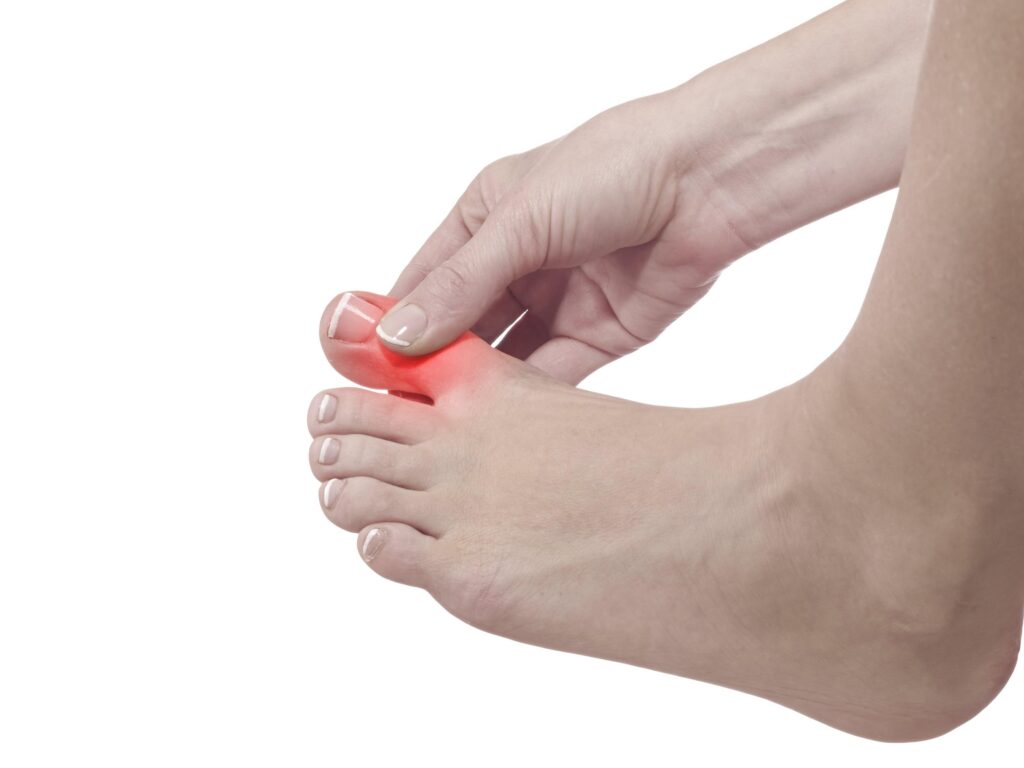
Have you been awakened at night by a hot, painful feeling in your big toe or ankle? Did the painful joint appear swollen and red? These can be symptoms of a gout attack. Gout is a disease that affects the joints. Left untreated, it can lead to painful foot deformity and even kidney problems. The good news is that by treating gout early, you can relieve pain and help prevent future problems.
Gout is caused by an excess of uric acid, a waste product made by the body. The uric acid forms crystals that collect in the joints, bringing on a gout attack. If you have many gout attacks, crystals may form large deposits called tophi, which can damage joints and cause deformity. Common signs of an attack include redness, heat, and swelling in the affected joint.
Men are more likely to have gout than women, though women can also be affected, mostly after menopause. Health problems such as obesity and high cholesterol make gout more likely, and certain medications, such as diuretics (water pills), can trigger an attack. People who drink a lot of alcohol are at high risk, and certain foods can also bring on symptoms.
During your visit, your doctor will ask about your pain, diet, medications, and alcohol use, then examine your feet for signs of gout. X-rays, joint fluid testing, or blood work may be used to confirm the diagnosis. If you are experiencing symptoms, schedule an evaluation so treatment can begin as soon as possible.
Treating and Preventing Gout Attacks
Gout attacks are painful and often happen more than once. Taking medications may reduce pain and prevent attacks in the future. Your doctor may prescribe a daily long-term control medication to reduce levels of uric acid, which can help prevent gout attacks. Other medications can help relieve pain and swelling during an attack. Be sure to take your medication as directed.
There are also some things you can do at home to relieve gout symptoms. Rest the painful joint as much as you can, and raise the painful joint so it is at a level higher than your heart. Your doctor may have other tips based on your specific situation.
Certain foods can bring on a gout attack, so avoiding these can help you stay comfortable. Common triggers to limit or avoid include alcohol such as beer and red wine, red meat and processed meats including turkey, organ meats such as kidney, liver, and sweetbread, shellfish such as lobster, crab, shrimp, scallop, and mussel, and certain fish including anchovy, sardine, herring, and mackerel.
With a little effort, you may be able to prevent gout attacks in the future. Avoid alcohol and foods that trigger gout. Take any long-term control medications prescribed by your doctor. Lose weight if you need to, and work to control blood pressure and cholesterol. Drink plenty of water to help flush uric acid from your body. With consistent care and healthy habits, most patients can reduce the frequency of attacks and protect their joints for the long term.
Find Gout Care at a Location Near You
Visit one of our convenient locations to get relief from gout pain close to home.







Don’t let another gout attack keep you off your feet, we’re here to help.
Schedule your visit today and let’s get you back to moving comfortably.