Congenital Foot Deformities in Children
Specialized care for clubfoot and other congenital foot conditions, using proven methods to correct deformities early.
What You Need To Know
Understanding clubfoot and other congenital foot deformities in your child.
Understanding Clubfoot in Children
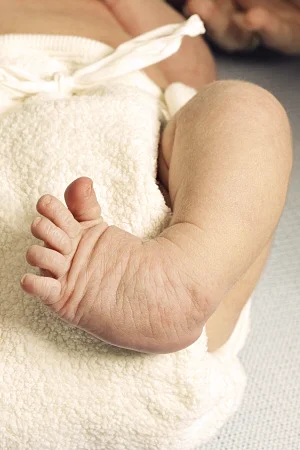
Clubfoot can be several foot abnormalities that are congenital, or present at birth. The tendons in the baby’s foot are shorter and so the foot is out of position or twisted. It is one of the most common congenital deformities, occurring in about 1 out of every 1000 births. The foot shape at birth is pointed inward and downward, giving the foot a club appearance.
Clubfoot can affect one or both feet, and this common birth defect can be mild or severe. Most cases are successfully treated without surgery when addressed early.
Look for one or more of these signs: the top of the foot is twisted inward and downward, the foot appears to be upside down, the foot or leg may be shorter, and the calf muscles are underdeveloped. However, usually there will be no pain.
The cause in an otherwise healthy child is unknown. Boys are more likely to have clubfoot than girls, and it tends to run in families. The baby may have clubfoot if there is too little amniotic fluid, and the risk of clubfoot is greatly increased if the mother smokes during pregnancy.
Left untreated, clubfoot can result in complications later in life such as arthritis, poor self-image, inability to walk correctly, and foot sores or calluses. Treatment should begin within 1 to 2 weeks after birth, when the baby’s joints, bones, and tendons are still flexible, so scheduling an evaluation soon after birth gives your child the best possible outcome.
The Ponseti Method and Ongoing Care
Dr. Brianna David, who has taken over her father Dr. Michael David’s clubfoot practice, utilizes the Ponseti Method of serial casting of the foot and leg. This treatment has become the standard of care nationwide. The foot is gently manipulated and plaster casts are applied and changed weekly for 3 to 6 weeks in the office without anesthesia. Correction can be achieved in over 90% of cases without the need for extensive surgery.
The Achilles tendon may need to be lengthened. Occasionally a release of the heel cord is needed, and this is performed in the office through a tiny incision without anesthesia or hospitalization.
To maintain the corrected position, stretching exercises will be required, along with braces and special shoes. Special shoes attached to a bar are used 20 to 22 hours per day for 3 months, followed by use during sleep hours for 2 to 4 years. Relapses are uncommon and are corrected successfully in most cases with 1 to 3 more casts.
In many institutions, manipulation and casting is used with frequent unsuccessful correction, and extensive surgery is then recommended, often with poor results due to excessive scarring. If clubfoot does not respond to stretching, or if it is severe, surgery may be recommended to reposition or lengthen ligaments or tendons.
Dr. Brianna David has frequently used the Ponseti Method successfully in older children who have had failed treatment elsewhere. Families can expect a clear treatment plan and consistent follow-up through every stage of correction and maintenance.
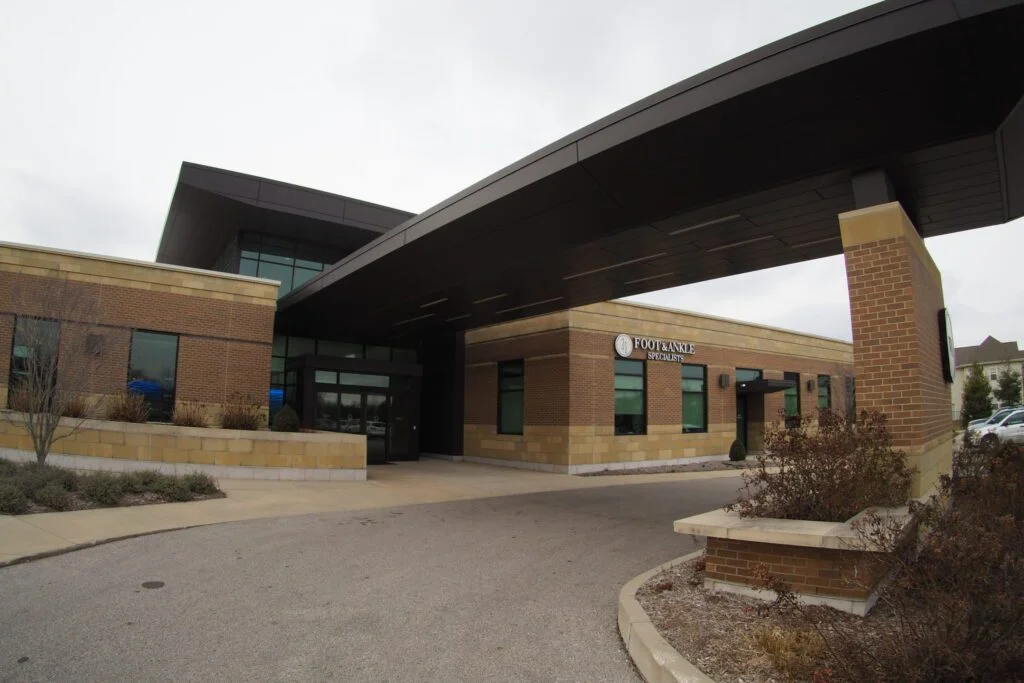
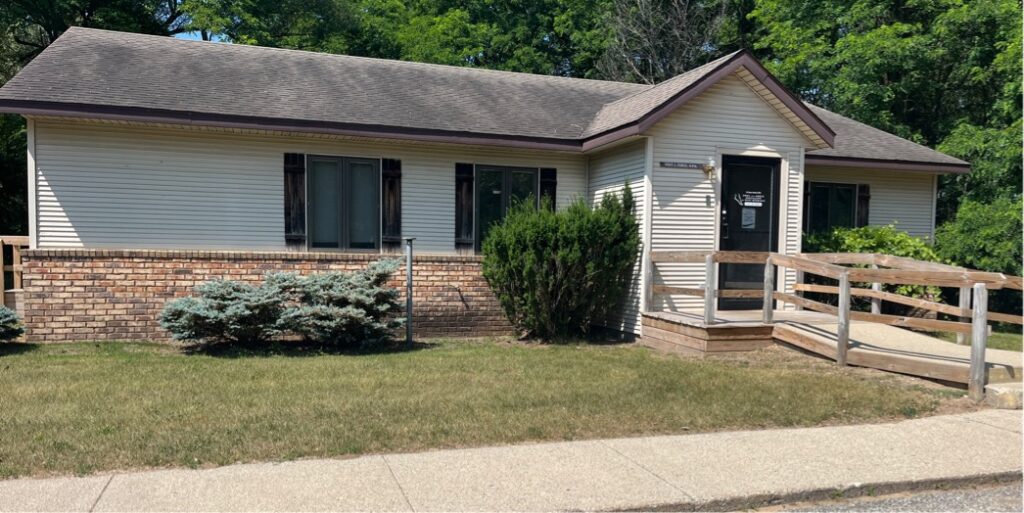
Locations Offering Pediatric Foot Care
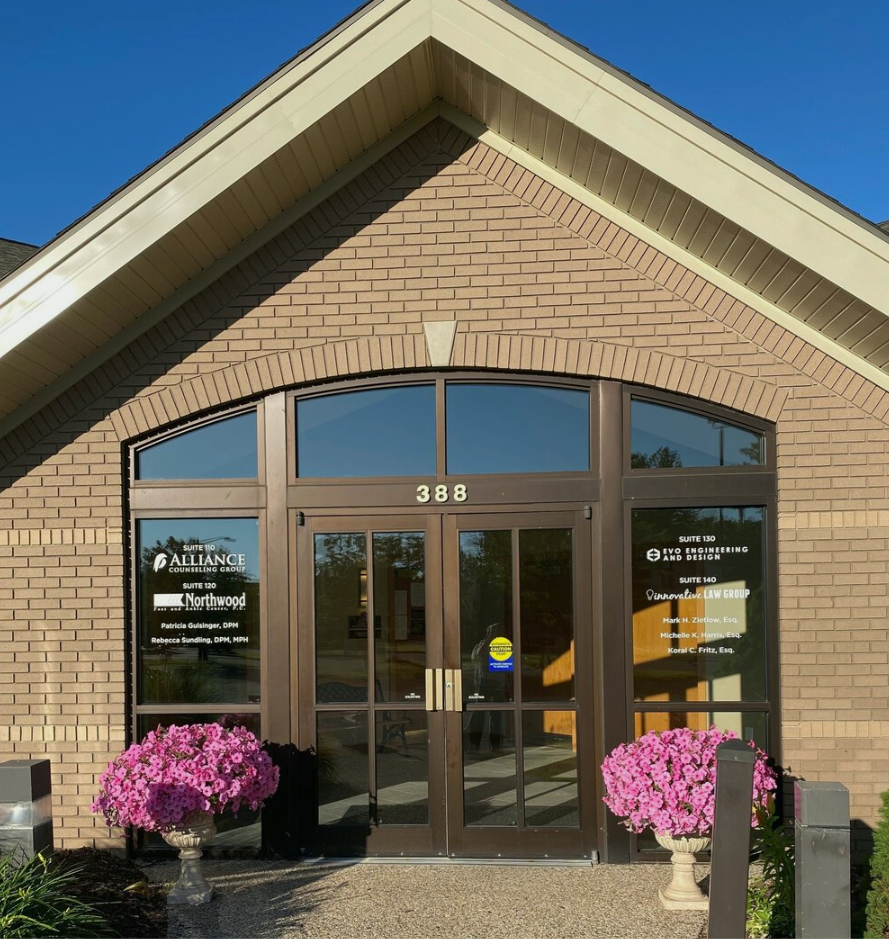
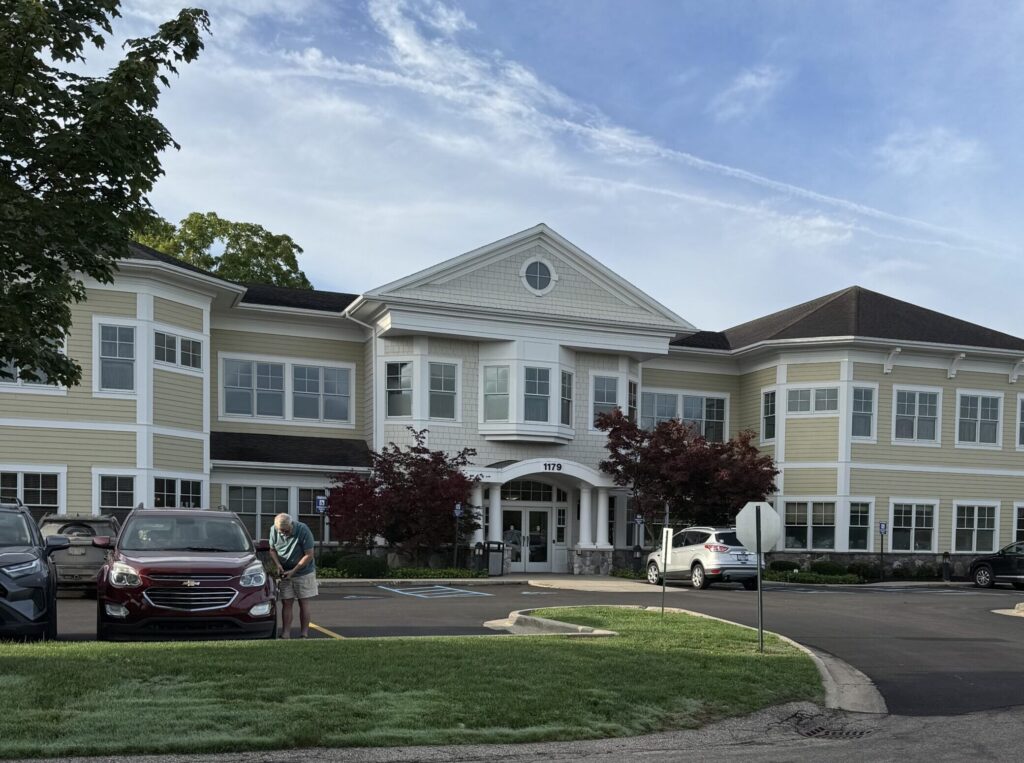
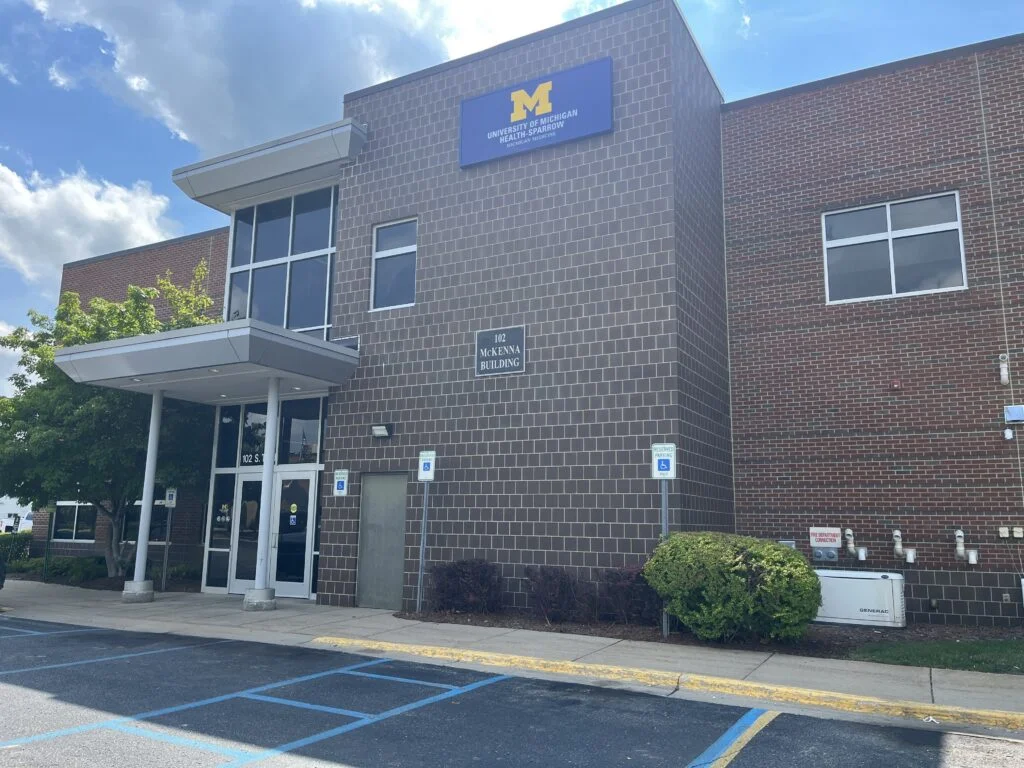
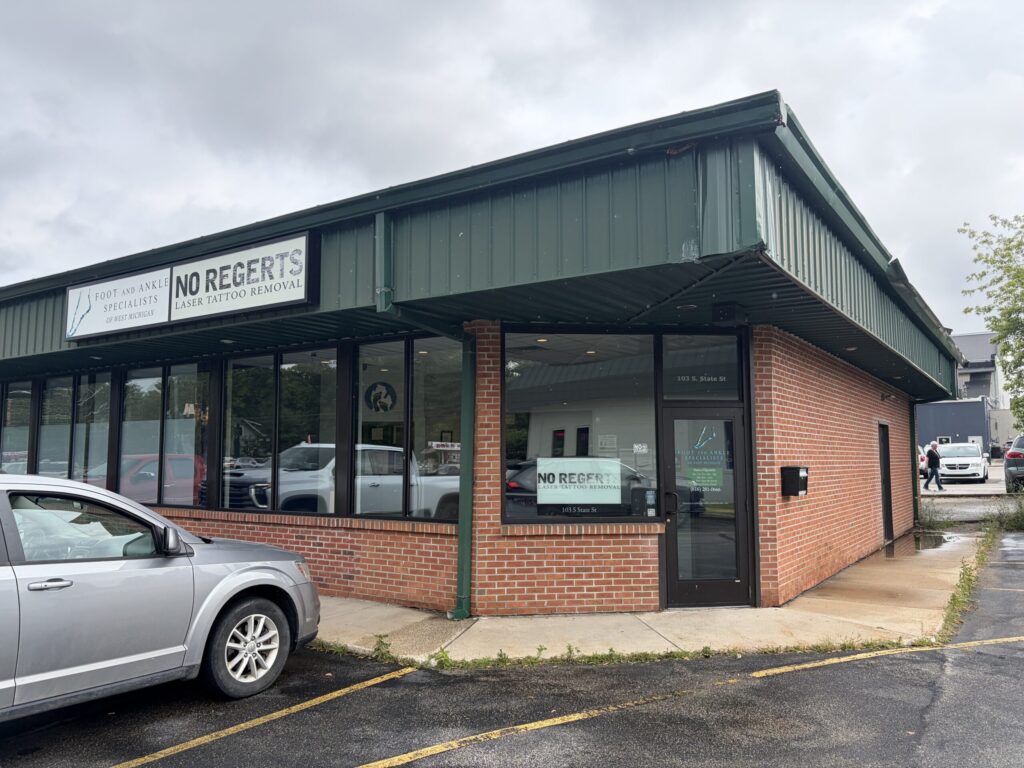
Find a convenient location for your child's congenital foot deformity care.

Give your child the best start with early clubfoot treatment.
Don’t wait to schedule your child’s evaluation. We’re here to help.