
Ingrown Toenail Treatments for Relief
Relief from painful ingrown toenails with professional care that addresses infection and prevents recurrence.
What You Need To Know
Understanding ingrown toenails and when to seek professional podiatric care.
Understanding Ingrown Toenails
Ingrown toenails are nails where the corners or sides grow into the nearby soft tissue. The big toe is the most common location, but any toenail may become ingrown. When the nail presses into the skin, it can cause significant discomfort and lead to infection if left untreated.
Common symptoms include pain, swelling, redness, drainage, and odor around the affected toe. These signs often develop gradually as the nail continues to press into the surrounding tissue, and they can worsen quickly if bacteria enter the area.
An ingrown toenail may be caused by improper trimming of the nail where the corners are curved. Heredity may play a part as can pressure on the toes from crowding or tight shoes. Repeated trauma to the toe can also contribute to the problem.
If you suspect an ingrown toenail, soak the foot in soapy water or a warm saltwater bath, then smooth on antiseptic lotion and bandage. If there is no improvement in a day or so, visit your podiatrist. Over-the-counter medications are ineffective, and don’t try to remove any part of the nail yourself. See your foot doctor if there is any sign of infection around the toenail such as drainage or excessive redness.
For those with diabetes, peripheral vascular disease or another circulatory disorder, do not attempt to self-treat an ingrown nail. Get help from a podiatrist as soon as possible so the condition can be properly evaluated and treated.
Professional Treatment and Prevention Tips
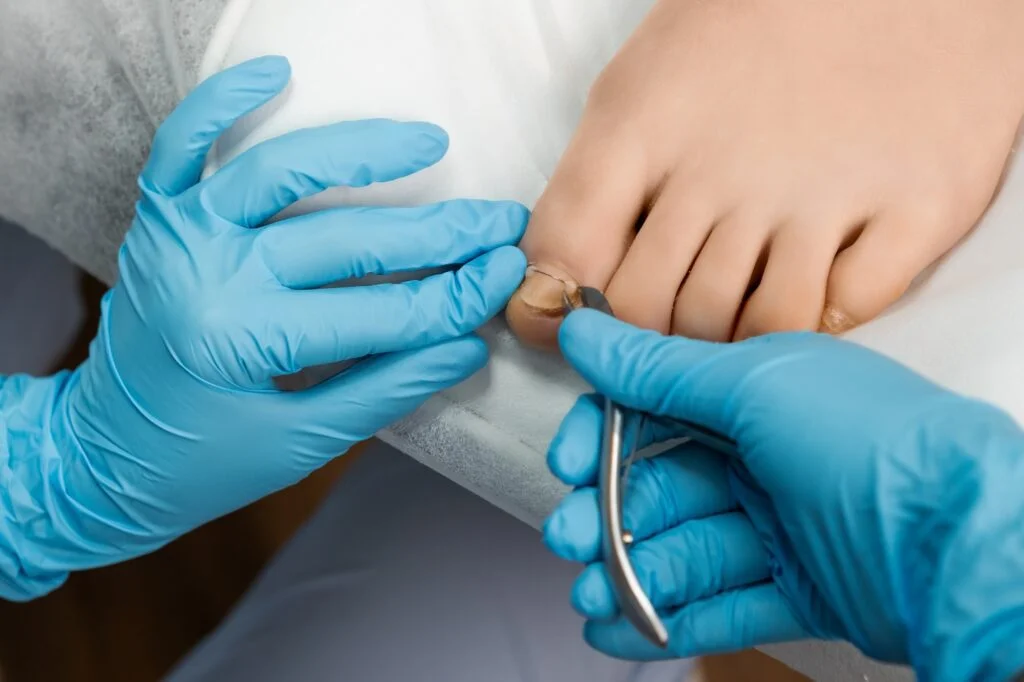
To eliminate an ingrown toenail, the doctor will remove the ingrown portion and treat the infection with oral or topical medication. This approach relieves the immediate pain and addresses any bacterial infection that has developed around the nail.
For chronic problems, the corner of the nail along with its root will be removed. This more definitive treatment helps prevent the same section of nail from becoming ingrown again in the future, which is especially helpful for patients who have dealt with repeated ingrown toenails on the same toe.
Prevention starts with proper daily habits. Wear comfortable shoes with a wide toe box, and avoid wearing high heels that crowd the toes. Trim toenails straight across with toenail clippers and don’t round or dig into the corners. Don’t tear or rip the nail edges, as this can leave sharp points that grow into the skin.
Paying attention to how your shoes fit is just as important as how you trim your nails. Tight footwear places constant pressure on the toes and can push the nail edges into the soft tissue over time. Choosing socks and shoes that give the toes room to move freely reduces this risk.
With the right professional treatment and consistent home care, most patients find lasting relief from ingrown toenail pain and can return to comfortable daily activity.
Find Ingrown Toenail Care Near You
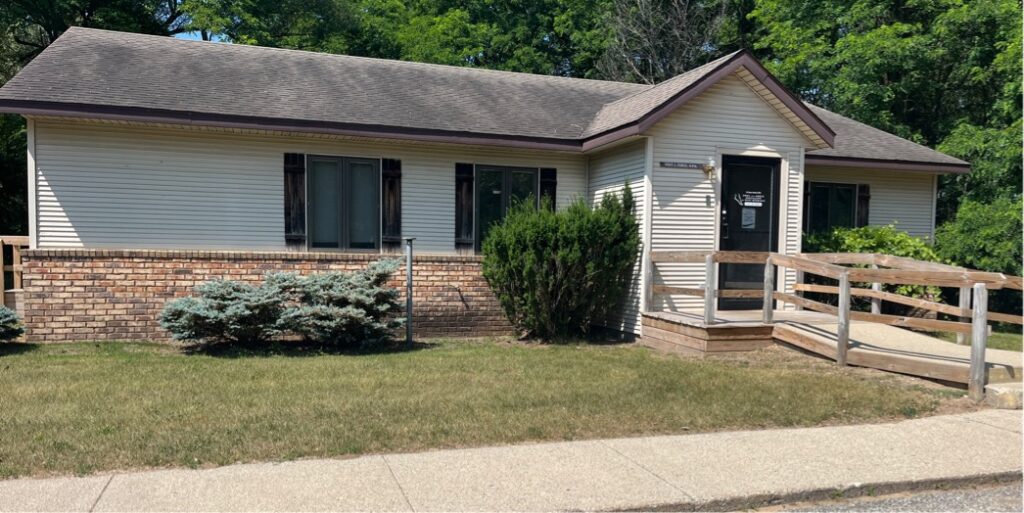
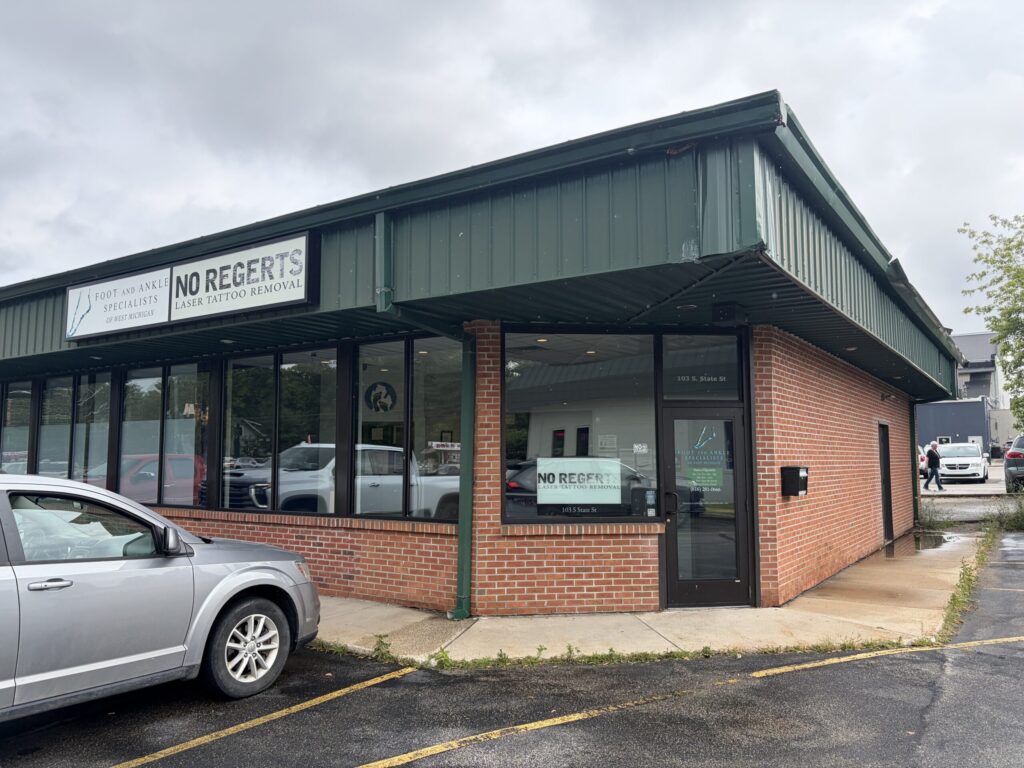
Our podiatrists treat ingrown toenails at convenient locations close to home.





Don’t let an ingrown toenail keep you off your feet, we’re ready to help.
Book an appointment today and you’ll get fast relief from a trusted podiatrist.