
Foot and Ankle Ulcers Wound Care
Specialized wound care and limb preservation to heal ulcers quickly, prevent infection, and protect your mobility.
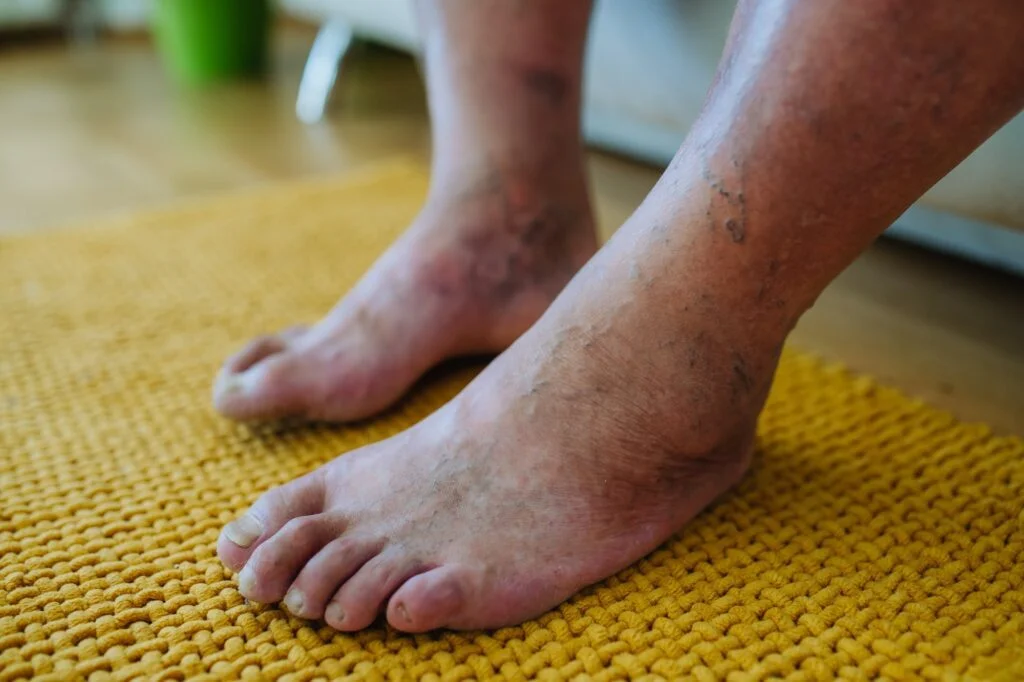
What You Need To Know
Understanding foot and ankle ulcers, how they form, and why prompt care matters.
Understanding Foot and Ankle Ulcers
Pressure ulcers are sores that occur when pressure cuts off the blood supply to the skin. Stress caused by the body’s weight and the impact of striking the ground place the ball of the foot, the big toe, and the heel at the greatest risk. Left untreated, an ulcer may allow infection to enter your body. If infection reaches the bloodstream or bone, your life or limb may be at risk. A diabetic foot ulcer is an open sore or wound that appears on the bottom of the foot and may lead to amputation if not treated quickly.
Force or friction against the bottom of your foot causes the skin to thicken, forming a callus. If the skin keeps thickening, the callus presses up into the foot, killing healthy tissue and causing pain. You may not notice the pain if you have neuropathy, which limits how much feeling you have in your feet. As healthy skin dies, an ulcer forms, and ulcers may progress from hot spots to infected wounds very quickly.
Two complications from diabetes contribute to foot ulcers. Neuropathy, or nerve damage, reduces sensation in the extremities, so a small cut, bruise, or puncture wound can worsen into a sore. Poor circulation caused by excess blood sugar can inhibit healing blood flow to the feet.
Pain is not a common symptom, but you may notice an open sore, drainage on socks, redness, swelling, or an unpleasant odor. During your visit, we will check your feet for hot spots and thickened skin, assess sensation, and use non-invasive tests to evaluate blood circulation so treatment can begin right away.
Preventing Ulcers and Protecting Your Feet
By taking care of yourself, you may be able to prevent pressure ulcers. At the very least, you can reduce your risk of getting one. Preventing an ulcer from developing is its best treatment, and daily habits play the biggest role in keeping your feet healthy.
Use a mirror to look at the bottom of your feet each day, especially the soles and between the toes. Look for any changes in the skin such as a cut, bruise, blister, crack, sore, or redness. By doing so, you can catch small skin changes before they turn into ulcers. Check the soles and insides of your shoes before putting them on, and remove any objects such as pebbles. Call your doctor if you notice any hot spots, red streaks, swelling, or any cracks or sores.
Wear appropriate shoes that are supportive, roomy, and comfortable, along with socks that do not rub. Visit your podiatrist regularly for comprehensive foot exams so problem areas can be addressed before they progress. Keep blood sugar levels under control and reduce risk factors such as smoking, drinking alcohol, and high cholesterol.
Do your best to control health problems that may affect your feet, such as diabetes and kidney disease. If you smoke, stop, because smoking reduces blood flow and slows healing. Complete healing of an ulcer in a patient with diabetes may take weeks or even several months, so consistent prevention and early treatment give you the best chance of staying active.
Find Ulcer and Wound Care Near You
Our podiatry team offers wound care and limb preservation at convenient locations near you.







Don’t wait on a foot ulcer, we’re ready to help you heal.
Early treatment protects your feet. Let’s get you scheduled today.