
Diabetic Foot Care for Healthier Feet
Protect your feet from diabetes-related complications with regular podiatric exams, proper footwear, and expert care.
What You Need To Know
How diabetes affects your feet and why regular podiatric care matters.
Understanding Diabetic Foot Care
Diabetes is a disease where the body cannot manufacture or properly use insulin. The body then is unable to convert sugars and starches into energy, leaving an elevated amount of blood sugar. Too much glucose in the bloodstream can damage the feet, heart, kidney, eyes and nerves. Risk factors include aging, high blood pressure, heredity, poor diet, being overweight, and inactivity. Diabetes can be managed with medical care, exercise, and the correct diet to avoid complications.
Neuropathy, or nerve damage, results from too much blood sugar. With neuropathy, feeling is reduced in the feet, so any damage such as a cut or scrape can worsen. Because diabetes also causes poor circulation, the healing blood cannot reach the wound, resulting in an infection and a non-healing wound. Nerve damage may lessen a person’s ability to feel pain in the feet, meaning that small problems go unnoticed and develop into big problems.
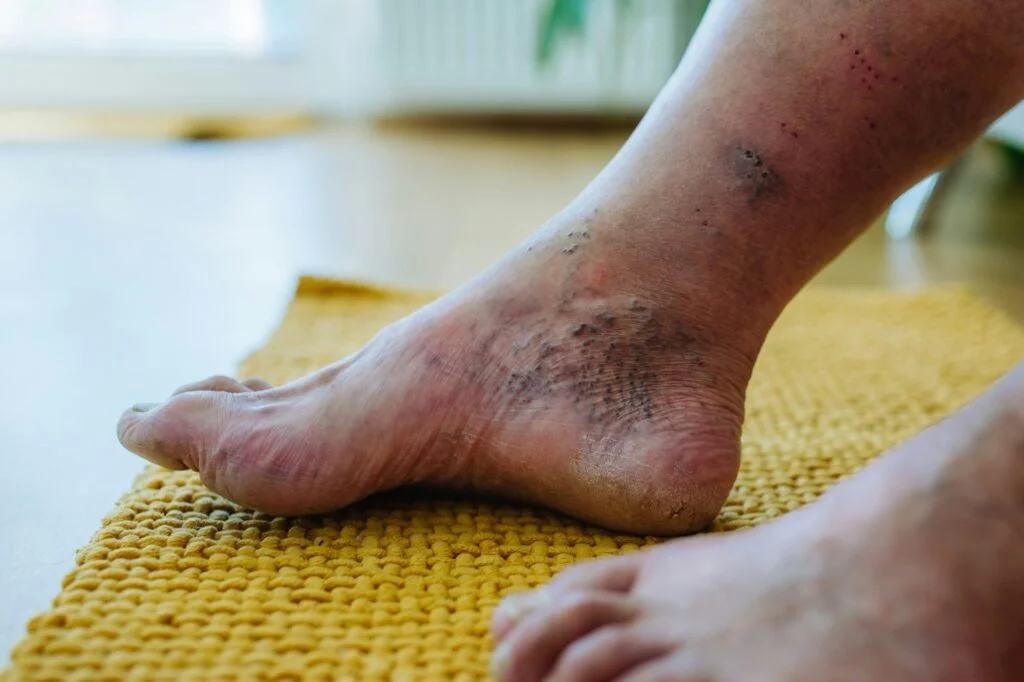
Diabetes warning signs often appear in the feet and can include swelling, numbness, leg pain, skin color changes, slow-healing sores, fungal toenails, and calluses or corns that bleed. In addition to checking their feet daily, people with diabetes should see a podiatrist twice a year and contact a health care provider immediately if they see or feel any changes in their feet such as redness, swollen areas, or calluses.
Early recognition of problems such as an ulcer, along with regular foot screenings by a podiatrist, can help reduce the risk of lower limb amputation by up to 85%. Call our office to get evaluated and give your feet the care they need.
Daily Foot Care Guidelines for Diabetics
Foot care may be an area of extra concern for diabetics, but with vigilant care at home and at the podiatrist office, diabetics may maintain the health of their feet. A consistent daily routine is the single most effective way to catch small problems before they become serious.
Check your feet daily. Look for anything unusual and inspect the bottom of your feet too. Wash feet every day in warm, soapy water and dry thoroughly, especially between the toes. Moisturize with a rich lotion or cream to keep skin supple. When trimming toenails, cut them straight across to avoid an ingrown nail. Change shoes and socks every day, and put on clean, dry socks when they become damp. Consider wearing socks made for those with diabetes, which have loose tops, extra cushioning, and fibers that wick moisture away from the skin.
Just as important is knowing what to avoid. Don’t put your feet in hot water or use a heating pad if your feet are cold at night; wear socks instead. Don’t wear tight-fitting socks or garters that cut off blood flow. Don’t try to treat corns or calluses yourself with over-the-counter chemicals or by cutting them. Don’t walk barefoot, and don’t smoke.
For diabetics, proper footwear is essential. In our offices, we can accommodate even the most challenging patients with foot orthoses and custom braces. For those who are eligible, diabetic shoes and inserts may also be covered by insurance with little-to-no out-of-pocket expenses. Call our office to schedule a complete foot exam and get fitted for the support your feet need.
Related Services
Find Diabetic Foot Care Near You
Visit one of our convenient locations for a complete diabetic foot exam.







Don’t wait to protect your feet, schedule your diabetic foot exam today
We’re here to help you stay ahead of complications and keep your feet healthy.