
Preventive Foot and Ankle Screenings
Routine foot exams help catch small problems early, protect your mobility, and keep you comfortable on your feet.

What You Need To Know
A closer look at preventive foot care and why routine screenings matter.
Preventive Screenings for Healthy Feet
Preventive foot and ankle screenings are routine examinations designed to catch problems before they become painful, disabling, or costly to treat. A screening is a chance for a podiatrist to look at the overall health of your feet, review your medical history, and identify small issues that could turn into larger ones if left unaddressed.
During a screening, your provider examines the skin, nails, joints, circulation, and nerve function of your feet and ankles. This can help uncover early signs of common concerns such as arthritis, nerve changes, circulation problems, structural issues, and skin or nail conditions. For patients living with diabetes, heart disease, or other chronic conditions, regular foot screenings are an important part of protecting long-term health.
Many foot and ankle problems develop quietly. You may not notice a change in sensation, a shift in the shape of your foot, or a small wound until it has already progressed. Routine screenings give your provider the opportunity to compare your feet over time and act early when something looks different.
We generally recommend a screening if you have a chronic health condition that affects your feet, if you are on your feet for work or sport, if you have a family history of foot problems, or if you have simply not had your feet evaluated in some time. To get started, schedule an appointment with one of our podiatrists for a full evaluation.
Managing Foot Pain Without Opioids
In a country plagued by the opioid crisis, the race is on to find novel solutions for managing pain. One in five Americans experience some sort of chronic pain. If you started taking prescription opioids to manage chronic pain in your foot or ankle, then you will need new pain relief options if and when you cut back or stop taking opioid drugs.
Acupuncture involves inserting extremely fine needles into the skin at specific points on the body. This may relieve pain by releasing endorphins, the body’s natural painkilling chemicals, and may also influence levels of serotonin. Biofeedback is a machine-assisted technique that helps people take control of their own body responses, including pain. Used occasionally, corticosteroid injections can relieve pain and inflammation caused by arthritis, sciatica, and other conditions.
Assistive devices such as splints, braces, canes, crutches, walkers, and shoe orthotics can support painful joints and relieve pressure on irritated nerves. Physical therapy helps restore or maintain your ability to move and walk, while occupational therapy improves your ability to perform daily activities. Therapeutic massage may relieve pain by relaxing muscles, tendons, and joints.
Other options include TENS, iontophoresis, ultrasound, and cold laser therapy, which is FDA-approved to treat pain conditions. Talk with your provider during a preventive screening to decide which combination is right for you.
Preventive Foot Care Near You
Find a convenient location for your next foot and ankle screening.
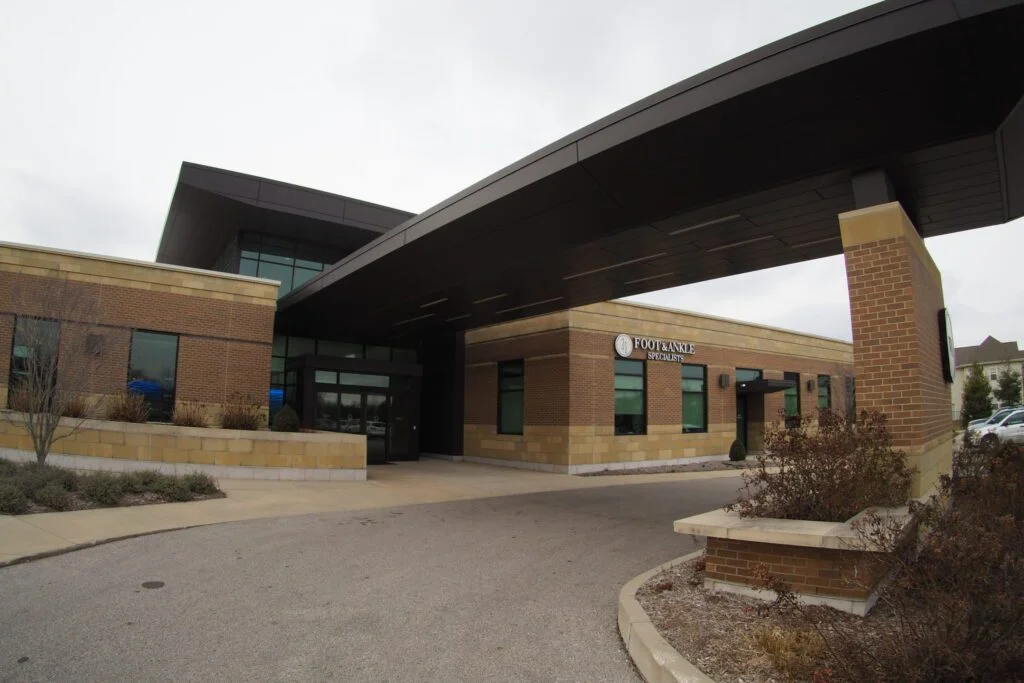





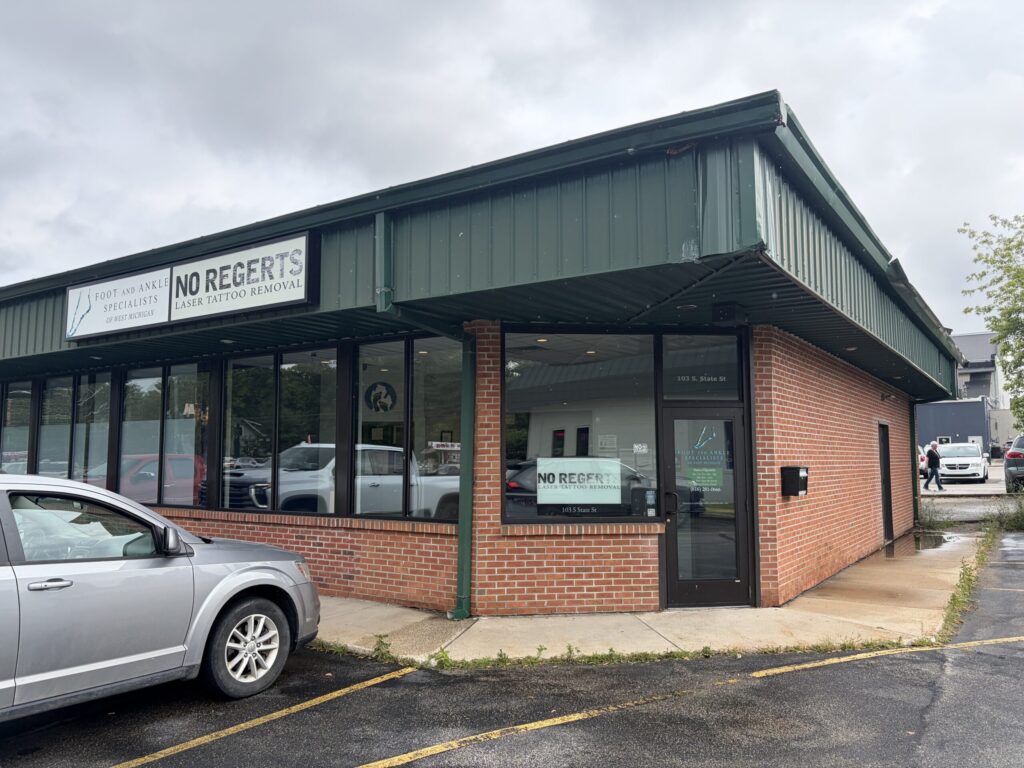
Don’t wait for foot pain to slow you down, schedule your preventive screening today.
We’re here to help you stay comfortable, active, and steady on your feet.