
Custom Orthotics, Braces & Preventive Care
The right support built into your daily step can stop a small problem from turning into months of pain. We fit, brace, and plan ahead so you don’t have to deal with it later.
What You Need To Know
Prevention is almost always simpler, cheaper, and faster than treating the problem it would have stopped.
Why Preventive Foot Support Matters
A lot of foot and ankle problems don’t start with an injury. They build slowly, from a flat arch that’s never been supported, a gait that’s slightly off, or a fall risk that hasn’t been addressed. By the time pain shows up, the underlying issue has usually been developing for a while.
We build preventive and supportive care around a few common needs: – Flat feet or fallen arches causing fatigue or pain with standing and walking – Recurring ankle instability from a past sprain that never fully stabilized – Balance concerns that increase fall risk, especially in older adults – Foot shape or gait patterns that put uneven pressure on certain areas – A history of blisters, calluses, or pressure sores in the same spot
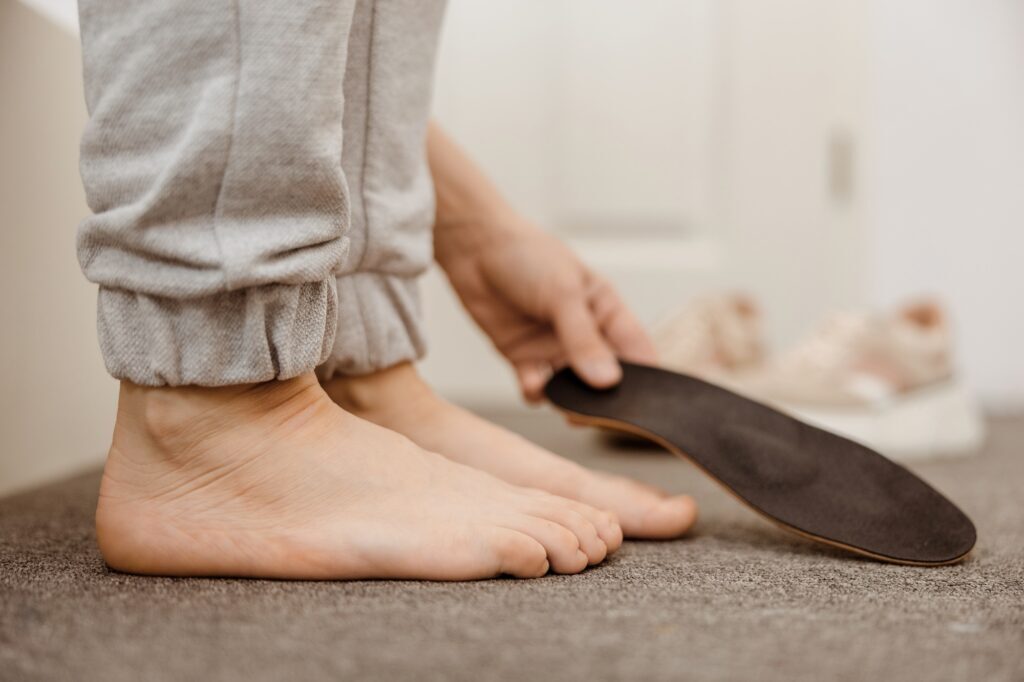
For active adults, custom orthotics can correct the small mechanical issues that lead to shin splints, plantar fasciitis, or knee pain down the line. Off-the-shelf inserts help some people, but they’re built for an average foot, not yours specifically.
For older adults, fall prevention isn’t just about strength. Footwear, orthotic support, and balance-specific bracing all play a role in keeping you steady, and a fall risk assessment is a simple first step toward catching what might otherwise go unnoticed.
For parents, flat feet in children are common and usually resolve on their own, but persistent pain, an unusual walk, or one foot that seems more affected than the other is worth having evaluated early.
What Custom Orthotics and Bracing Look Like
Every plan starts with understanding how your foot actually moves, not just what it looks like standing still.
The evaluation process: – A gait and pressure analysis to see how weight distributes across your foot – A hands-on exam to check flexibility, alignment, and any areas of strain – A conversation about your daily activity level and footwear habits
Orthotic and bracing options: – Custom-molded orthotics built from a cast or scan of your specific foot – Ankle braces for chronic instability or recovery from a prior sprain – Supportive inserts for flat feet or high arches – Bracing designed around specific sports or work demands
Fall prevention support: – A balance and mobility assessment – Recommendations for supportive footwear and orthotic inserts – Home and lifestyle guidance to reduce fall risk day to day – Bracing and/or Physical Therapy to mitigate ongoing risk
Ongoing care: – Follow-up fittings to make sure orthotics continue to fit as your needs change – Adjustments for growing children or changes in activity level – Coordination with physical therapy when strengthening is part of the plan
Getting fitted properly the first time saves you from cycling through generic inserts that never quite solve the problem.
Related Services
Where We Treat
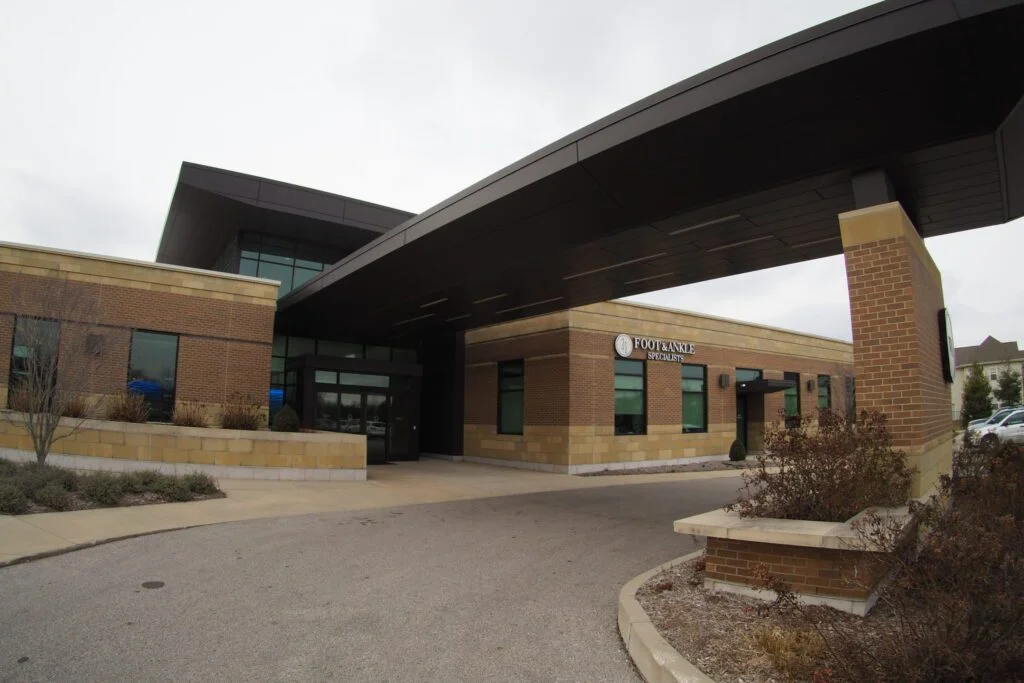
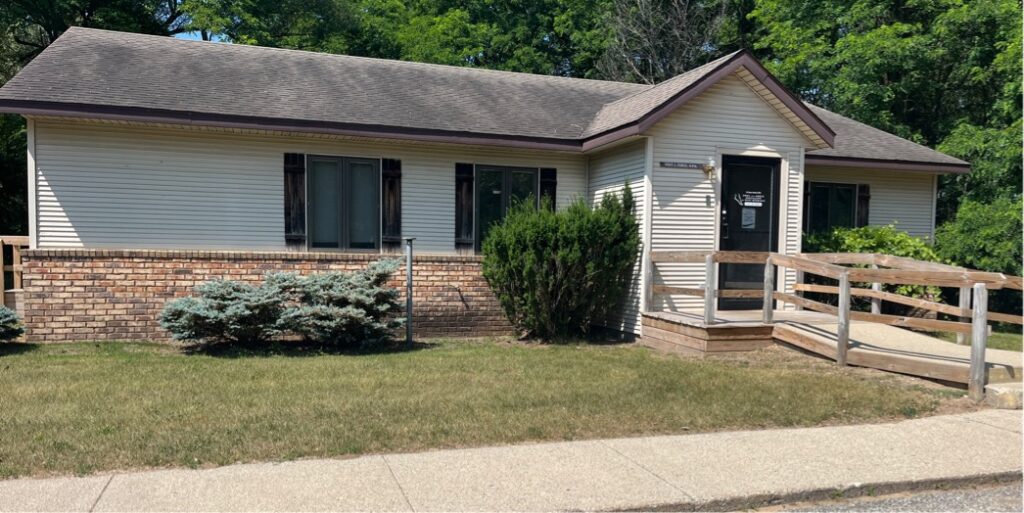
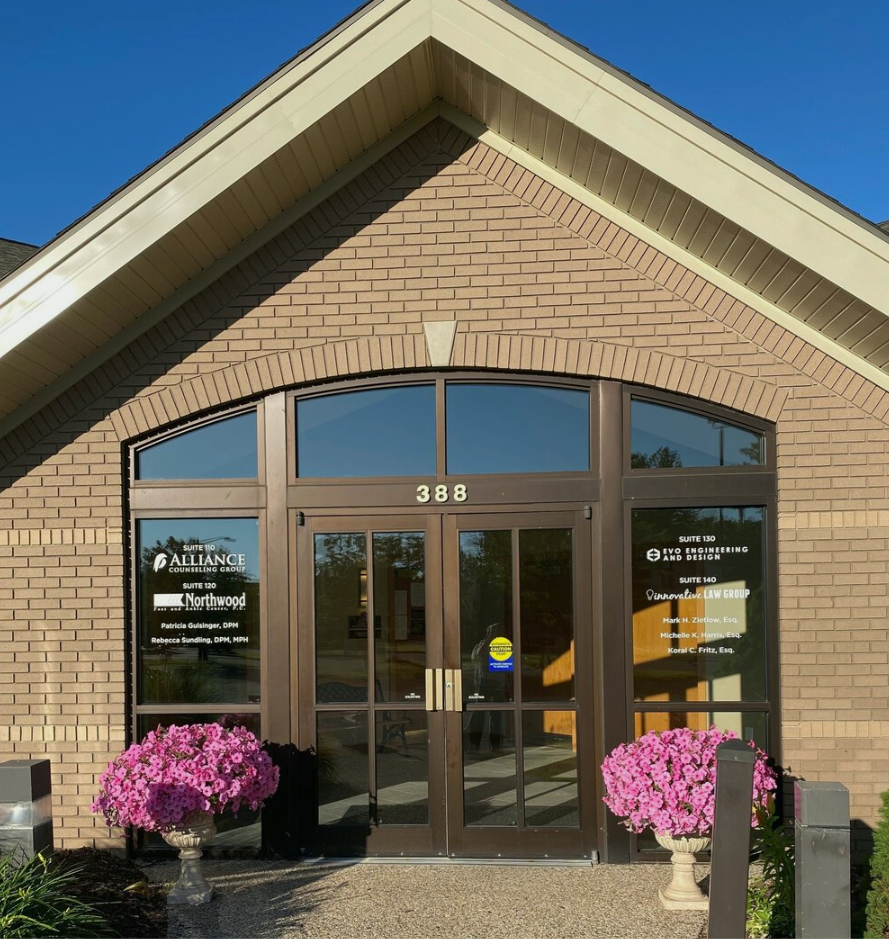
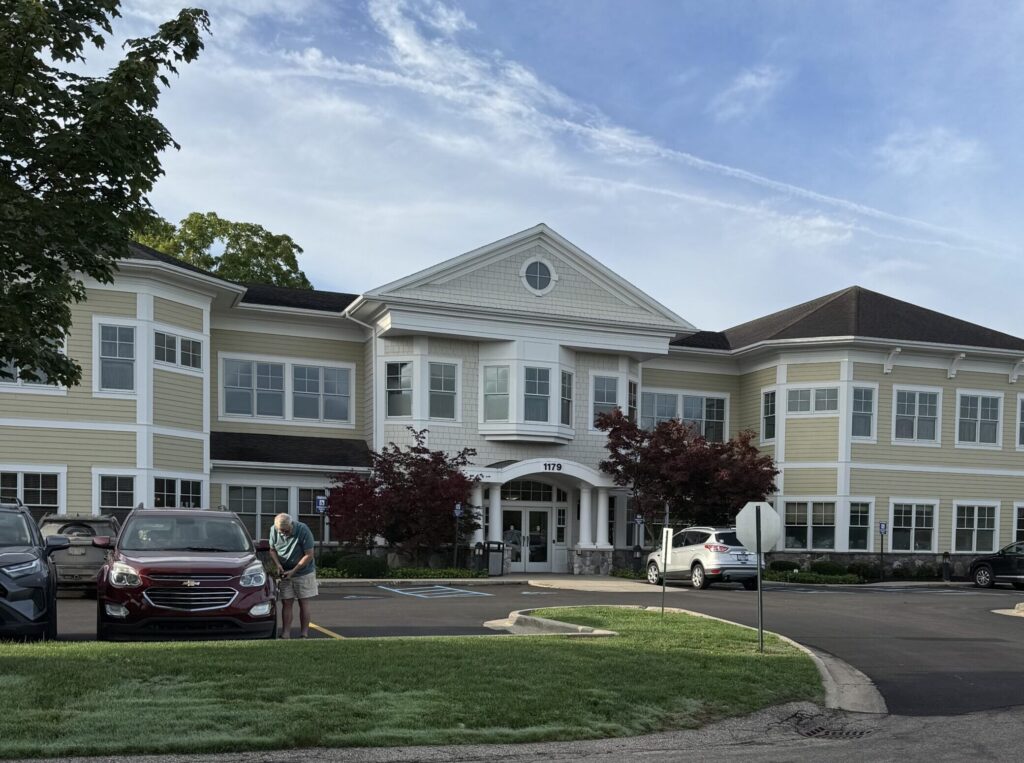
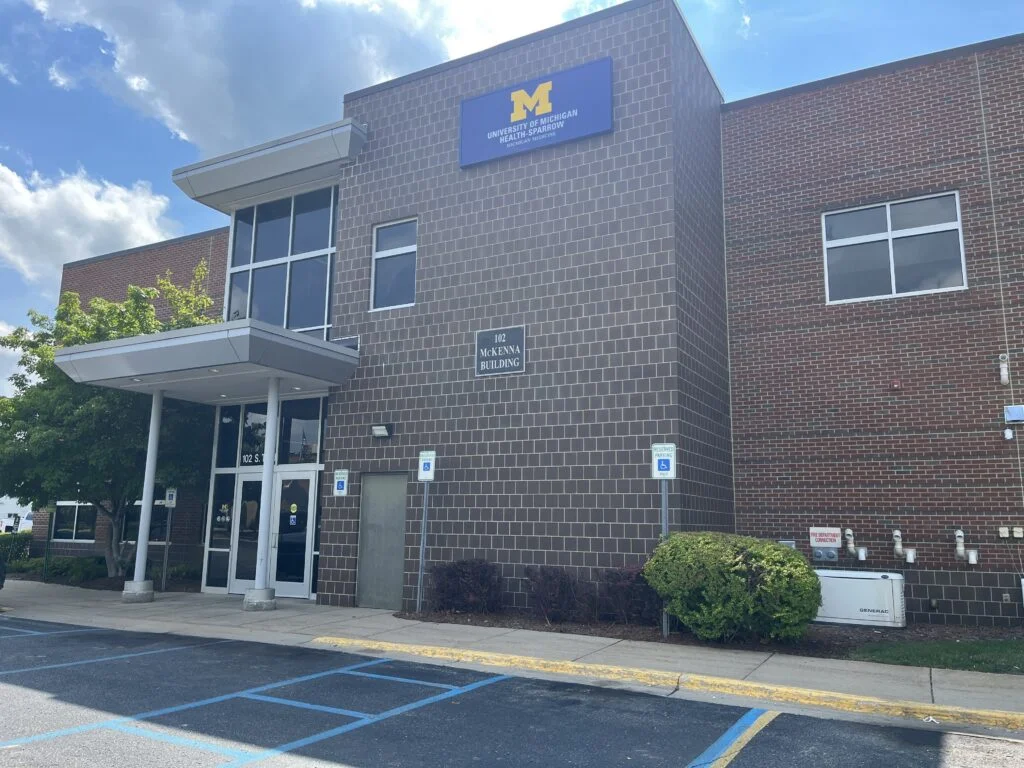
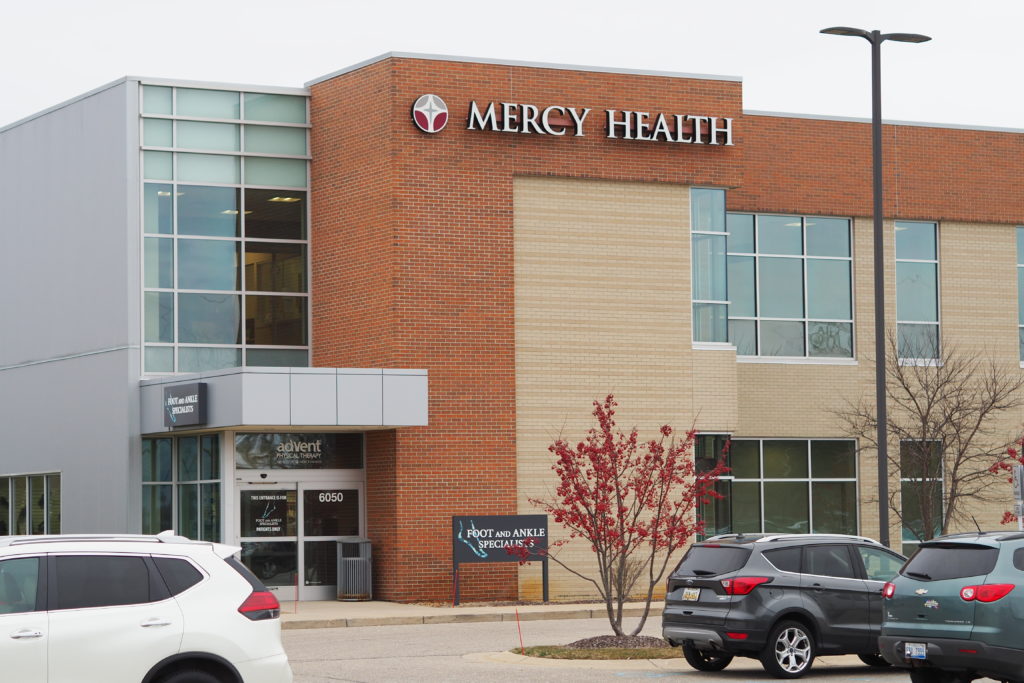
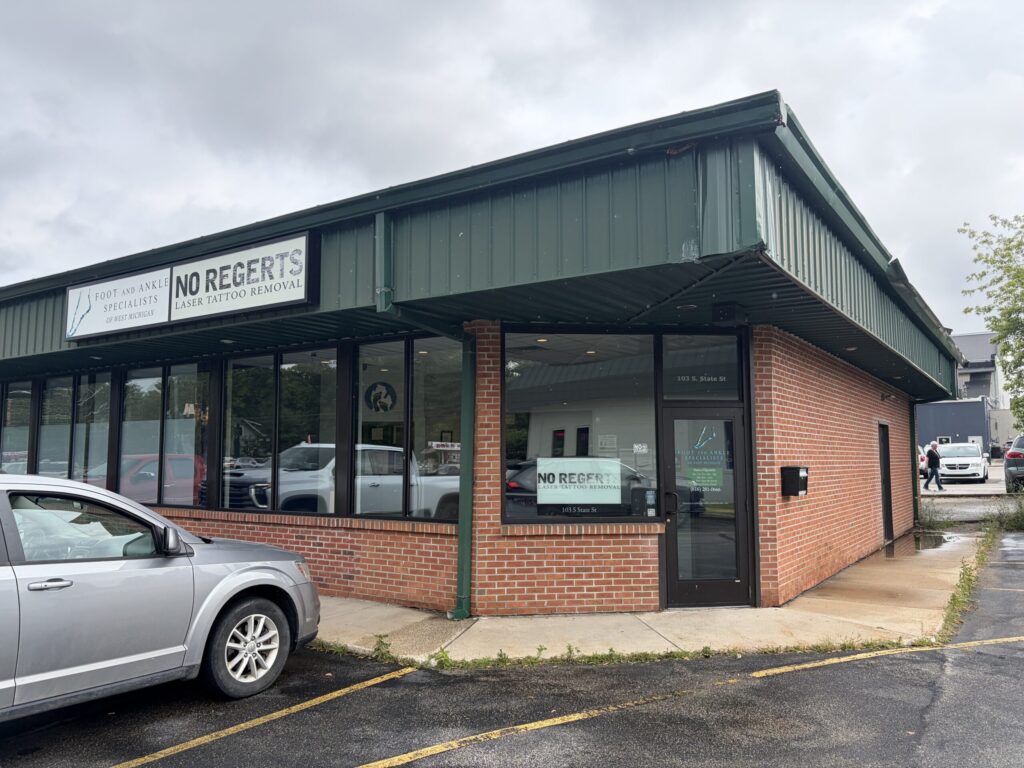
Find a Foot and Ankle Specialists location near you for an orthotics fitting or preventive care evaluation.
Get Ahead of the Problem Before It Starts
A proper fitting today can save you months of pain later.